
Plants
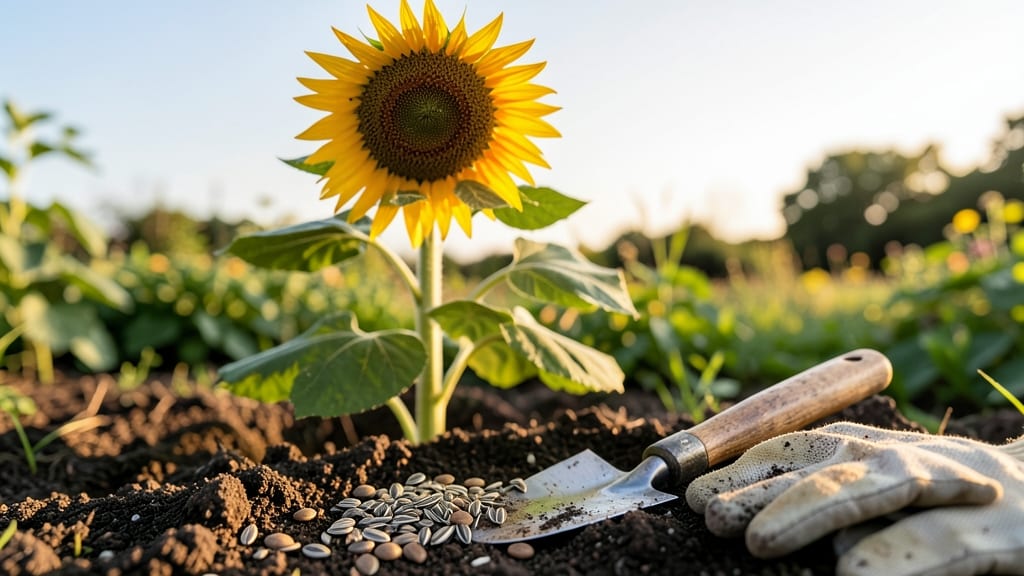
Timing when to plant sunflower seeds in NJ just right can mean the difference between a garden full of towering blooms and a sad, frost-nipped disappointment.
With our unpredictable spring weather—where last frost dates can swing from mid-April to early May—getting those seeds in the ground at the perfect moment is critical for a show-stopping summer display.
Here’s the secret: Planting too early risks seedlings getting zapped by late frosts, while waiting too long cuts your bloom time short.
I’ve tested the ideal windows in USDA zones 6a-7b, and the sweet spot for most varieties is late April to early June, once the soil warms to at least 55°F.
But there’s more to it than just dates—soil prep, variety choices, and even your microclimate (urban vs. rural NJ) play a role in maximizing those golden faces.
Let’s break it down: From choosing fast-growing varieties that beat the clock to adjusting for NJ’s humidity and pests, I’ll walk you through every step to ensure your sunflowers reach their full potential.
Whether you’re a first-time gardener or a seasoned pro, these tips will help you avoid common mistakes and enjoy sunflowers that stretch from July through October.
Ready to skip the guesswork? Grab your gloves and let’s dive into the exact planting schedule, soil tricks, and variety picks that’ll turn your NJ garden into a sunflower paradise—without a single wilted petal in sight.
NJ sunflower planting calendar: frost dates and best months for zero-frost blooms
New Jersey’s USDA zones 6a-7a give us a 180-day frost-free window, but timing matters if you want sunflowers blooming before fall frosts strike. The average last frost date hovers around mid-April, while the first frost typically arrives in mid-October.
To maximize your sunflower’s potential, we’ll break down the best planting windows for both direct sowing and indoor starts—plus how to adjust for your specific NJ microclimate.
For zero-frost blooms, you’ll need to plant sunflowers early enough so they reach maturity before the first frost. Most sunflower varieties take 70-120 days to bloom, so we’re working with a tight schedule.
If you miss the window, don’t worry—some varieties like ‘Moulin Rouge’ (dwarf) can still thrive with a shorter season, but tall varieties like ‘Russian Giant’ need every day they can get.
Here’s your NJ sunflower planting calendar broken down by zone, frost dates, and planting method to ensure vibrant blooms all season long:
| USDA Zone | Avg. Last Frost | Direct Sowing Window | Indoor Start Window | Transplant Out | Bloom Time |
|---|---|---|---|---|---|
| 6a (Northern NJ) | April 20-30 | May 1-15 | March 15-April 1 | May 15-30 | July-September |
| 6b (Central NJ) | April 10-20 | April 25-May 10 | March 1-April 15 | May 1-15 | July-October |
| 7a (Southern NJ) | March 25-April 10 | April 15-May 1 | February 20-March 15 | April 15-May 1 | June-October |
| 7b (Extreme Southern NJ) | March 15-25 | April 1-May 1 | February 1-March 10 | April 1-May 1 | May-November |
🌱 Note: Adjust dates 1-2 weeks earlier for high-elevation areas or later for coastal regions.
If you’re planting directly outdoors, aim for late April to early May in most of NJ. This gives sunflowers enough time to germinate (typically 7-14 days) and grow before the heat of summer arrives.
For indoor starts, begin seeds 4-6 weeks before your last frost date—this means late February to early April, depending on your zone. Use grow lights if natural light is limited, as sunflowers need 12-16 hours of light daily to thrive.
For tall varieties like ‘Russian Giant’ or ‘Mammoth’, you’ll want to start seeds indoors in early March (Zone 7a/b) or late February (Zone 6a/b) to ensure they’re large enough to transplant without shock. These giants take 100-120 days to mature, so every day counts.
On the other hand, dwarf varieties like ‘Teddy Bear’ or ‘Moulin Rouge’ are more forgiving—you can direct sow them as late as mid-June and still enjoy blooms before frost.
One of my biggest tips for NJ gardeners is to monitor local frost forecasts using resources like the NJ State Climate Office or apps like Frost Alert.
A late frost can wipe out young seedlings, so consider using row covers or black plastic mulch to protect your plants if frost is predicted. Even a light frost (28-32°F) can damage sunflower leaves, so timing your planting to avoid these risks is key.
Don’t forget that soil temperature plays a role too. Sunflower seeds need soil temps above 55°F to germinate properly. If you’re planting in early spring, use a soil thermometer to check—cold soil can delay germination by weeks.
In Zone 6a, wait until the soil warms up in late April or early May, while Zone 7a/b gardeners can start as early as mid-April.
For extended blooms, try succession planting: sow a second batch of seeds in early June. While they won’t grow as large, they’ll still produce cheerful blooms in late summer and early fall, adding color to your garden right
How to adjust sunflower planting for NJ’s microclimates and soil conditions
New Jersey’s diverse landscapes—from urban sidewalks to rural farmland—create unique microclimates that can shift your sunflower’s growth timeline by weeks. In urban areas, concrete and buildings trap heat, often making soil warm up faster than in rural zones.
Meanwhile, NJ’s soil pH and drainage can turn a thriving plant into a struggling one overnight. I’ve seen sunflowers bolt in northern NJ’s cooler soils while southern varieties flourish in Camden or Atlantic City.
To succeed, start by testing your soil’s drainage and pH. Sunflowers prefer neutral to slightly acidic soil (pH 6.0–7.0) and hate soggy roots. If your garden holds water like a swamp, amend it with compost or coarse sand before planting.
In urban gardens, container growing with well-draining mixes can save your seedlings from root rot.
Here’s how to adjust your planting strategy based on NJ’s conditions:
- 🌱 Urban NJ: Plant 2–3 weeks later than rural areas—heat islands warm soil faster, but late frosts linger. Use black plastic mulch to speed soil warming.
- 🌿 Rural NJ: Start seeds indoors 2–3 weeks before last frost (mid-April) for earlier blooms. Harden off seedlings before transplanting.
- 💧 Soil prep: Amend clay-heavy soils with compost and perlite for drainage. Test pH—lime raises it, sulfur lowers it.
- ☀️ Extend the season: Use row covers to protect seedlings from late frosts (until May 15). Remove covers when flowers appear.
- ✂️ Thinning: Sow seeds 6 inches apart, then thin to 12–18 inches for strong stems. Avoid overcrowding in shady microclimates.
For urban gardeners, consider dwarf varieties like ‘Teddy Bear’ (2–3 feet tall) to avoid wind damage from tall buildings. In rural areas, ‘Russian Giant’ can reach 12+ feet—but stake them early to prevent toppling in summer storms.
My go-to trick? Plant a mix of early, mid, and late varieties to stretch your bloom time from July through October.
Don’t overlook pest pressure—NJ’s humidity attracts sunflower moths and beetles. Apply neem oil preventatively or use row covers until flowers open. I’ve also had success with companion planting basil or marigolds nearby to deter pests naturally.
With these adjustments, your sunflowers will thrive in any NJ microclimate, whether you’re in a Jersey City balcony garden or a farm in Sussex County. The key? Observe your local conditions, amend your soil, and time your planting like a pro. Your garden’s golden future starts now.