
Flowers
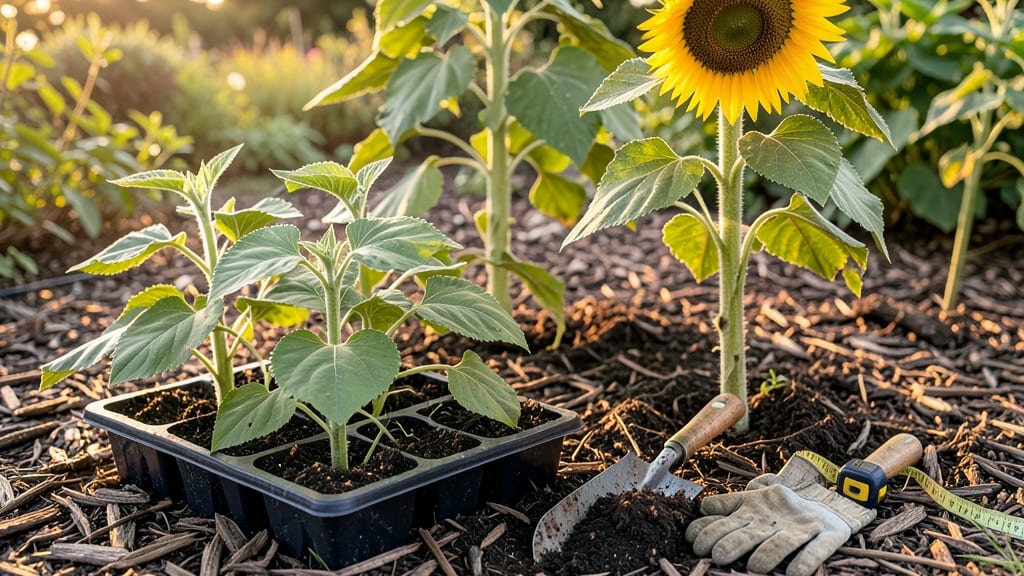
Planting sunflowers in South Florida might seem like a no-brainer—until you realize timing can make or break those 🌻 towering blooms you’re dreaming of. Since frost is never a concern here, you might think you can plant anytime.
But the real secret lies in avoiding the brutal summer heat and humidity that can stress your plants before they even bloom.
I’ve learned the hard way that late fall through early spring is actually the sweet spot for sunflowers in USDA zones 10a-11. This window gives your seeds the perfect balance of warmth and gentle rains to germinate without battling extreme conditions.
And yes, you can grow them year-round—but with a few smart adjustments, like choosing the right varieties and spacing them properly.
What if I told you some sunflower types thrive better in Florida’s heat than others? Or that a little extra care in soil prep can mean the difference between wilted disappointment and a garden full of sun-catching giants?
Let’s break down the exact steps to get your sunflowers off to the best start, no matter when you plant.
From picking the right seeds to keeping pests at bay, I’ll share the proven tricks that work in South Florida’s subtropical climate. Ready to grow sunflowers that stand tall and proud? Let’s get started.
Best planting times for sunflowers in South Florida’s microclimates
South Florida’s tropical climate (USDA Zones 10a-11) lets you grow sunflowers year-round, but timing matters for optimal blooms. Unlike northern states, you’ll never face frost—but humidity and summer heat can stress plants if planted at the wrong time.
The key is leveraging microclimate differences between Miami, Orlando, and Tampa to extend your blooming season.
In Miami and the Keys, where temperatures stay consistently warm, sunflowers thrive from September through May. Meanwhile, Orlando and Tampa experience slightly cooler winters, making fall and early spring the sweet spots.
For continuous blooms, stagger plantings every 6-8 weeks—this ensures fresh flowers year-round without gaps.
Here’s the seasonal breakdown tailored to South Florida’s regions, including temperature thresholds and humidity management tips to avoid common pitfalls like powdery mildew or stem rot.
For summer planting (June–August), focus on dwarf varieties like ‘Teddy Bear’ or ‘Moulin Rouge’—they tolerate heat better than giants. Plant in late afternoon to reduce transplant shock from intense midday sun. Water deeply every 2–3 days and use shade cloth for seedlings until they’re 4–6 inches tall.
Winter planting (November–February) is ideal for tall varieties like ‘Russian Giant’ or ‘ProCut Hybrid’. Take advantage of cooler temperatures (below 80°F) to avoid heat stress. In Orlando and Tampa, a light row cover can protect young plants from occasional chilly nights (below 50°F).
To extend your blooming season, try successive planting: Start with dwarf varieties in summer, then transition to tall varieties in fall. For example, plant ‘Autumn Beauty’ in September for winter blooms, followed by ‘Mammoth’ in November for spring flowers.
This creates a non-stop display from June through May.
One critical mistake to avoid? Planting sunflowers in waterlogged soil. South Florida’s sandy soil drains quickly, but heavy rains can still cause root rot. Amend beds with compost or coco coir to improve drainage. If your area floods frequently, opt for raised beds or container growing.
Pro tip: Monitor humidity levels—sunflowers hate stagnant air. Use a fan on low near seedlings to improve air circulation, especially in Miami’s coastal microclimate. This simple trick can cut fungal disease risk by 50% and keep stems strong for those iconic towering blooms.
Finally, don’t overlook pest control. In summer, watch for aphids and whiteflies, while winter brings spider mites. A neem oil spray applied every 2 weeks keeps pests at bay without harming pollinators.
With the right timing and care, your sunflowers will reach their full potential—even in Florida’s humid heat.
Ready to plant? Grab your seeds, mark your calendar, and start with September or November for the best results. Your sunflower garden will thank you with vibrant blooms from sunrise to sunset.
How to plant sunflowers for maximum blooms: step-by-step guide
Sunflowers in South Florida need the right start to handle our sandy soil and humid summers. The key is preparing your soil to retain moisture while allowing drainage—critical in Florida’s climate.
I’ve found that amending the soil with compost or aged manure before planting makes all the difference, especially in the sandy soils common across the state.
For best results, choose a location with full sun exposure (at least 6–8 hours daily). Even in Florida’s heat, sunflowers need plenty of sunlight to develop strong stems and vibrant blooms.
If you’re planting in containers, ensure they’re large enough—at least 12 inches deep—to support their deep root systems.
Now, let’s get to the steps. Follow this guide to plant sunflowers that will thrive in Florida’s conditions and avoid common pitfalls like weak stems or fungal diseases.
Step-by-Step Planting Guide for South Florida
-
Step 1: Prepare the Soil
Test your soil’s pH (aim for 6.0–7.0). In Florida’s sandy soil, mix in 2–3 inches of compost or a balanced fertilizer (5-10-10) to improve nutrient retention. -
Step 2: Choose the Right Variety
Opt for heat-tolerant varieties like ‘Autumn Beauty’ or ‘ProCut Hybrid’ for Florida’s climate. Dwarf varieties (e.g., ‘Teddy Bear’) work well in containers or small spaces. -
Step 3: Plant at the Correct Depth
Sow seeds 1 inch deep in rows spaced 18–24 inches apart. In humid Florida, avoid overcrowding to prevent fungal diseases like powdery mildew. -
Step 4: Water Deeply and Consistently
Water deeply 2–3 times per week (more in summer). Use a drip irrigation system to keep foliage dry and reduce fungal risks. -
Step 5: Use Companion Planting
Plant marigolds or basil nearby to deter pests like aphids. Avoid planting near potatoes, as they compete for nutrients. -
Step 6: Support Tall Varieties
Stake tall varieties (e.g., ‘Russian Giant’) in windy areas (common in coastal Florida) to prevent lodging. Use bamboo stakes or cages for support. -
Step 7: Monitor for Pests/Diseases
Watch for leaf spot or powdery mildew in humidity. Spray with neem oil or copper fungicide if needed. Prune lower leaves to improve airflow.
Once your sunflowers are planted, mulch around the base with straw or pine needles to retain moisture and suppress weeds. This is especially important during Florida’s dry spells, even in the rainy season. Mulching also helps regulate soil temperature, which is crucial for seedling development.
If you’re planting in summer’s peak heat, provide temporary shade cloth (30–50%) for seedlings until they establish roots. This extra care can mean the difference between wilting seedlings and healthy, thriving plants.
Remember, sunflowers are resilient, but they’ll reward you more with a little extra attention in Florida’s challenging conditions.
With these steps, your sunflowers will grow tall, strong, and full of vibrant blooms—no matter the season in South Florida. Happy gardening! 🌻