
Flowers
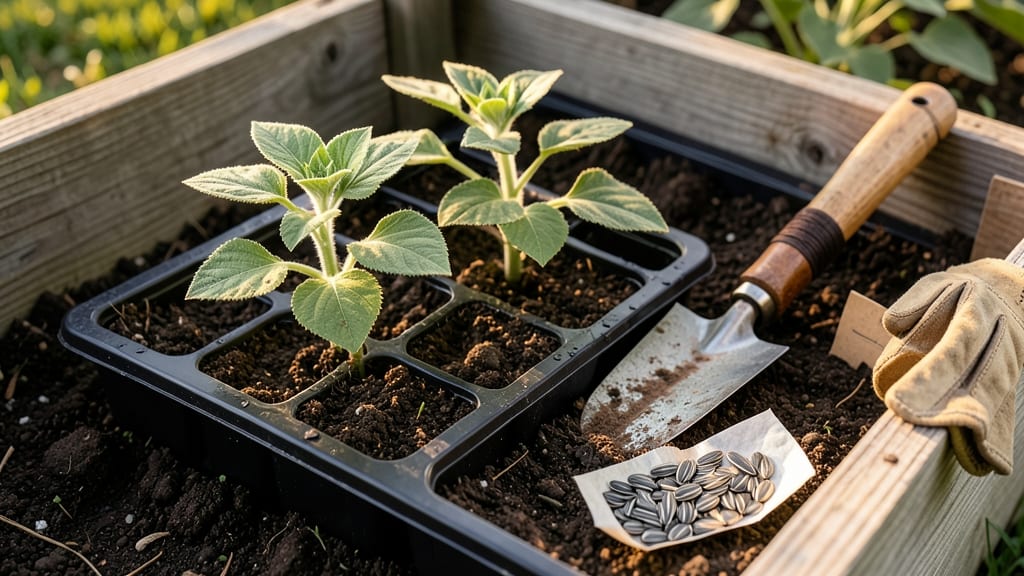
Planting sunflowers in Tennessee at the right time means the difference between a towering 🌻 that turns heads and a sad, stunted plant struggling to bloom.
With USDA zones 6a-7b offering a generous growing window, timing is everything—especially when last frost dates vary from mid-March in West Tennessee to late April in the mountains.
You might think "spring" is the only answer, but Tennessee’s climate actually lets you stretch your planting window further than you’d expect.
The key is avoiding those unexpected late frosts that can wipe out tender seedlings overnight, while also giving your sunflowers enough warm days to mature before fall’s chill sets in.
In this guide, I’ll break down the exact weeks to plant by region—whether you’re in Nashville’s urban gardens or the rolling hills of East Tennessee—plus pro tips for soil prep and spacing that make all the difference. No more guessing games: just sunflowers that reach their full potential.
Ready to grow sunflowers that stand taller than your fence? Let’s get into the county-specific dates and tricks that’ll have your garden buzzing with pollinators by August.
Tennessee sunflower planting zones & county-specific timing guide
Tennessee's USDA hardiness zones 6a-7b create perfect conditions for sunflowers, but timing varies dramatically between East TN's cooler mountains and West TN's hot river valleys.
The key to success lies in planting after your last frost date—typically mid-March in West TN but often late April in the Smokies. This guide breaks down county-specific windows so you can plant at the optimal time for your location.
Sunflowers need warm soil temperatures (at least 55°F) to germinate properly. In Tennessee, this usually aligns with April showers giving way to consistent sunshine—but don't rush!
Planting too early in Zone 6a (like in Johnson City) risks frost damage, while Zone 7b areas (like Memphis) can start as early as mid-March for fast-growing varieties.
Frost dates are your planting compass. Most Tennessee counties experience their last spring frost between March 15 and April 15, but mountain regions like Sevier County can see frost as late as May 1. For fall planting (less common but possible for fast varieties), aim for late summer—after August 15—to allow 60-80 days of growth before first frost.
Tennessee Sunflower Planting Timeline by Region
| Region | USDA Zone | Last Frost Date | Ideal Planting Window | Fast Varieties (60 days) | Standard Varieties (90 days) |
|---|---|---|---|---|---|
| East TN (e.g., Knoxville, Chattanooga) | 6a-6b | April 1-15 | April 20-May 10 | Late May | June 1-15 |
| Middle TN (e.g., Nashville, Murfreesboro) | 7a | March 15-31 | April 1-May 1 | Late April | May 15-June 1 |
| West TN (e.g., Memphis, Jackson) | 7b-8a | March 1-15 | March 20-April 15 | Early April | April 15-May 10 |
| High Altitude (e.g., Gatlinburg, Sevierville) | 6a | May 1-15 | May 20-June 1 | Late June | July 1-15 |
For East Tennessee, where cooler nights and higher elevations delay soil warming, I recommend waiting until after May 1 in Zone 6a counties like Sullivan or Carter. Test soil temperature with a thermometer—if it's below 55°F, wait a week.
In Middle Tennessee, where Nashville's urban heat island can create microclimates, you might plant 2 weeks earlier in city gardens than rural areas.
West Tennessee gardeners have the earliest windows, but don't assume you can plant anytime after March. Hot, dry spells in April can stress young seedlings. I suggest soaking seeds overnight before planting in dry river valleys like Shelby or Tipton counties to ensure good germination. For fall planting, August 15-September 1 works best in Zone 7b, giving sunflowers 60-70 days of growth before frost.
Pro tip: Use black plastic mulch to warm soil faster in cool regions like Johnson City, or straw mulch to retain moisture in hot, dry areas like Somerset.
Both methods can extend your planting window by 1-2 weeks in either direction. Just remember—sunflowers hate soggy roots, so avoid waterlogged soil.
If you're unsure about your county's exact frost dates, check the Tennessee State Climatology Office or use a local Cooperative Extension Service as your guide. These resources provide hyper-local data that can mean the difference between towering sunflowers and stunted plants.
For most of Tennessee, late April to early May is the sweet spot for planting standard varieties.
Once planted, sunflowers are low-maintenance champions, but timing is everything. Get it right, and you'll
How to adjust sunflower planting for Tennessee’s microclimates
Tennessee’s diverse landscapes—from Nashville’s urban heat islands to the cool mountain valleys of the Great Smoky Mountains—create unique growing conditions for sunflowers. If you’ve ever planted seeds only to watch them struggle in unexpected weather, you’re not alone.
The key is adapting your approach to your local microclimate, whether that means adjusting planting dates, amending soil, or choosing the right varieties for your elevation.
In cities like Memphis, summer heat arrives early, while high-altitude areas near Clingmans Dome can experience late frosts well into May. River valleys, like the Cumberland Plateau, often have longer growing seasons than surrounding hills.
By tailoring your sunflower garden to these microclimates, you’ll maximize bloom size, seed production, and even drought resistance—especially important during Tennessee’s unpredictable summer droughts.
🌱 When to Plant Sunflowers in TN’s Microclimates
📅 April 15–May 10
⚠️ Heat-tolerant varieties like 'Autumn Beauty'
📅 May 1–June 1
❄️ Wait for soil temps above 55°F
📅 April 1–May 15
💧 Extra mulch for moisture retention
For urban gardens, where pavement and buildings trap heat, start seeds indoors 2–3 weeks before your target date. Use heat-resistant varieties like 'Moulin Rouge' and place them in containers on patios to avoid soil compaction.
In these areas, companion planting with basil or borage can improve air circulation and deter pests like sunflower moths, which thrive in hot microclimates.
High-altitude gardeners in the Great Smoky Mountains should focus on soil preparation to extend the growing season. Amend heavy clay soils with compost and sand to improve drainage, and consider using row covers for early plantings.
Varieties like 'Teddy Bear' (dwarf) mature faster and are ideal for shorter seasons. If you’re planting near elevations above 3,000 feet, delay until after Memorial Day to avoid late frosts that can kill seedlings overnight.
In river valleys, where humidity is higher and soils stay moist longer, prioritize disease-resistant varieties like 'ProCut' and space plants wider (18–24 inches apart) to prevent fungal issues. These areas benefit from raised beds to improve drainage, especially if your garden floods during spring rains.
Add a 1-inch layer of mulch to retain moisture and suppress weeds, which compete aggressively in Tennessee’s fertile river soils.
To extend your sunflower season for late blooms, try a second planting in early July. Choose fast-maturing varieties like 'Early Bird' (50–60 days to harvest) and use drip irrigation to keep soil consistently moist during Tennessee’s dry August heat.
Deadhead spent blooms to encourage more flowers and attract pollinators like bees and butterflies, which thrive in the extended growing season.
Remember, Tennessee’s microclimates aren’t just about timing—they’re about adapting every step of the process. Whether you’re battling urban heat, mountain frosts, or river valley humidity, the right adjustments will turn your sunflower garden into a vibrant, pollinator-friendly showstopper. Happy planting! 🌻