
Flowers
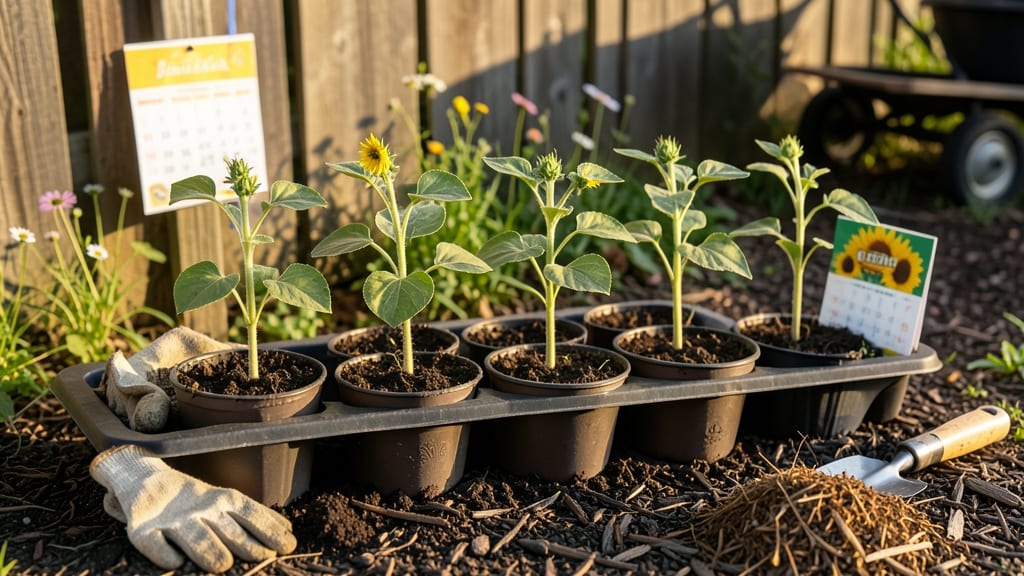
To plant sunflowers in Washington State at the perfect time means avoiding the coastal chill or the high-desert heat that can stifle growth—both of which can turn your 🌻 dreams into a flop.
The exact window shifts dramatically from the rainy Puget Sound to the dry Palouse, where frost dates can differ by 6 weeks or more.
If you're in Western Washington, where USDA Zone 7b-9a keeps things cooler, you’ve got a longer growing season—but that also means rushing to plant after the last frost, typically by late April to early May.
Skip this, and you might miss the July harvest window before the first frost sneaks in by October.
Meanwhile, Eastern Washington’s Zone 5b-7a demands an earlier start, often as soon as mid-April, to beat the earlier frosts. The key? Matching your sunflower variety to your microclimate—fast-growing types for short seasons, heat-tolerant ones for the desert.
I’ll break down the exact deadlines for your elevation zone, plus how to tweak planting for soil, rain, and wind—so your sunflowers reach their full, towering potential before the first frost arrives.
Washington sunflower planting zones by elevation: exact deadlines for coastal, lowland, and mountain regions
Washington State’s three distinct elevation zones create wildly different sunflower planting deadlines. Coastal areas like Puget Sound have cooler, wetter springs, while Eastern WA’s lowlands experience earlier warmth and Cascade foothills face shorter growing seasons due to alpine influences.
Each zone demands a unique approach to avoid frost damage or missed harvest windows.
For coastal Washington (e.g., Seattle, Bellingham), the last frost typically arrives between March 15 and April 15, giving you a 60–90 day window to grow sunflowers before the first frost in October–November.
In contrast, Eastern WA’s Palouse (e.g., Spokane, Pullman) sees last frosts by April 15–May 1, but first frosts can hit as early as September 15.
Mountain regions like Leavenworth or Snoqualmie Pass (elevations 2,000–5,000 ft) have even shorter seasons, with last frosts lingering until May 15 and first frosts arriving by September 15. This means you’ll need to focus on fast-maturing varieties (under 60 days) to succeed.
The table below breaks down your exact planting deadlines by elevation zone, including last frost dates, optimal planting windows, and harvest timelines for sunflowers with 60–90 day maturity. Use this to align your planting with your local microclimate.
If you’re in coastal Washington, aim to plant by mid-May for 90-day varieties like 'Autumn Beauty' to ensure blooms before frost. The Puget Sound’s marine influence keeps soils cooler, so consider black plastic mulch or row covers to warm the soil and extend the season.
For Eastern WA’s lowlands, where summers are hot and dry, plant drought-tolerant varieties like 'Moulin Rouge' by early May. The Palouse’s mineral-rich soil drains quickly, so add compost to retain moisture and prevent wilting during July–August heatwaves.
In mountain regions, prioritize fast-maturing varieties (under 60 days) and plant by mid-May to avoid early frosts. Use windbreaks like tall grasses or fencing to protect young seedlings from alpine winds, which can stunt growth.
Pro tip: Check your local USDA Zone (Western WA: 7b–9a, Eastern WA: 5b–7a) and adjust planting dates 2 weeks earlier if you’re at a higher elevation (e.g., 2,000+ ft).
For example, a Zone 6b area like Snoqualmie should follow the Cascade foothills timeline, not the Puget Sound schedule.
Finally, factor in your sunflower’s maturity timeline. A 60-day variety planted
How to adjust sunflower planting for Washington’s microclimates: soil temperature, rainfall, and wind risks
Washington’s microclimates can turn sunflower gardening into a high-stakes game of timing. In the coastal Pacific Northwest, cool, damp soils delay germination, while the high-desert Palouse bakes seeds before they sprout.
Even the Cascade foothills bring unpredictable wind that snaps stems before maturity. Adjusting for these factors means the difference between 18-foot giants and stunted, wilted plants.
Your first move? Warm the soil in cooler zones. Use black plastic mulch or a cold frame to raise soil temps by 10-15°F—critical for Western WA’s slow-starting springs.
In Eastern WA, where heat arrives early, shade cloth protects young seedlings from intense afternoon sun, which can scorch tender leaves before roots establish.
🌱 When to Plant Sunflowers in Washington: Pros & Cons by Microclimate
🌧️ Western WA (Coastal)
Pros: Longer growing season, consistent moisture
Cons: Cool soils delay germination, fungal risks
Adjust: Plant after May 1, use black mulch
☀️ Eastern WA (Desert)
Pros: Early warm soils, drought-tolerant varieties thrive
Cons: Heat stress, wind damage to tall varieties
Adjust: Start by April 1, use windbreaks, choose 'ProCut'
🏔️ Mountain Foothills
Pros: Lower humidity reduces fungal diseases
Cons: Shorter season, unpredictable frosts
Adjust: Plant by June 1, select 'Autumn Beauty'
Rainfall presents another challenge. In Western WA’s wet zones, overwatering causes root rot—especially in heavy clay soils. Amend beds with compost and sand to improve drainage, and plant on raised beds if your yard stays soggy.
Meanwhile, Eastern WA’s drought-prone areas demand drip irrigation or deep watering schedules to prevent wilting. Aim for 1-2 inches of water per week, delivered at the soil level to avoid fungal spores splashing onto leaves.
Wind is the silent killer of sunflowers in Washington. The Columbia Basin and Cascade gaps see gusts that snap stems at the base. Protect your plants with windbreaks—even temporary ones like corn stalks or bamboo stakes.
For coastal gardens, stake tall varieties like 'Russian Giant' early, tying stems to 3-foot supports before storms arrive. Dwarf varieties like 'Teddy Bear' handle wind better but still benefit from mulch to anchor roots.
Choose varieties that match your microclimate’s extremes. For short seasons (Western WA), opt for 'Moulin Rouge' (50 days) or 'Autumn Beauty' (60 days). In hot, dry zones, 'ProCut' (70 days) thrives with minimal water.
Always check days-to-maturity against your frost-free window—a 60-day variety planted in late May in Western WA might not finish before frost.
Test soil temperature with a soil thermometer before planting. Sunflower seeds need 55°F+ soil temps to germinate reliably. If your soil runs cooler, plant in containers with bottom heat or use a seedling heat mat for 1-2 weeks until sprouts emerge.
In high-desert areas, wait until soil hits 60°F+ to avoid seedling stress from rapid drying.