
Flowers
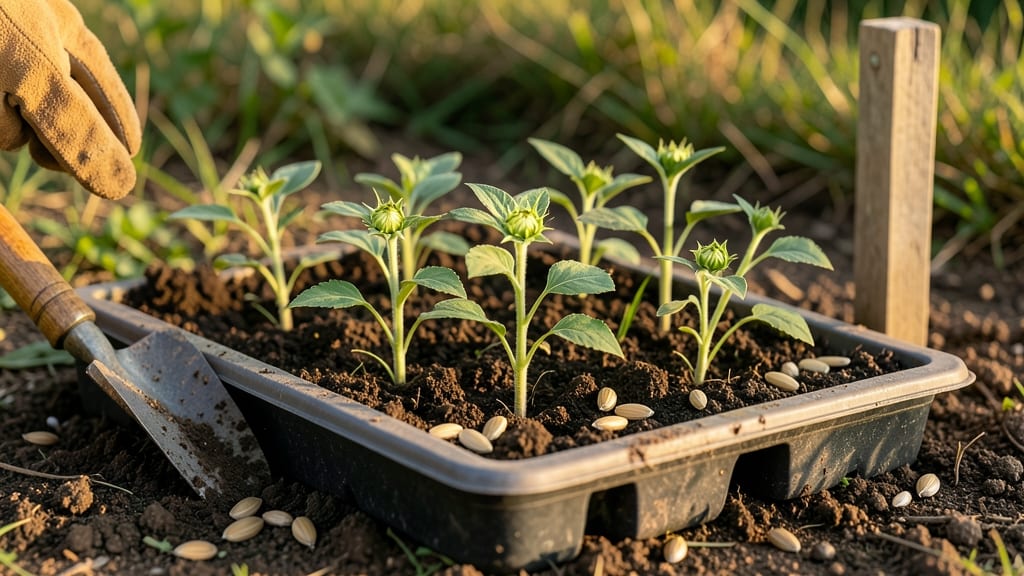
Planting sunflowers in Zone 9b’s scorching summers isn’t just about timing—it’s about outsmarting the heat to grow those towering 🌻 blooms you’ve always dreamed of. The key?
Starting seeds just as temperatures begin their relentless climb, typically between late February and early March, when the soil warms but the worst heatwaves haven’t arrived yet.
Most gardeners in Phoenix or Southern California deserts assume sunflowers need cool weather to thrive, but the truth is, these hardy plants actually prefer warm soil—just not the extreme midday sun of peak summer.
By planting early, you give your sunflowers a head start before the monsoon rains and triple-digit temperatures roll in, ensuring they reach their full, sun-drenched potential.
What you’ll discover here is the exact month-by-month schedule that works for Zone 9b, including when to direct-sow versus transplanting seedlings for maximum success. We’ll also cover heat-resistant varieties that won’t bolt prematurely and simple tricks to keep your sunflowers happy through the hottest part of the year.
Ready to grow sunflowers that defy the desert heat? Let’s dive into the strategies that’ll have your garden bursting with color from spring to summer—without the guesswork.
Optimal sunflower planting schedule for Zone 9b: month-by-month breakdown
Zone 9b’s 365 frost-free days and intense summer heat create a unique challenge for sunflower growers. Unlike cooler climates, timing isn’t just about avoiding frost—it’s about beating the heat while maximizing bloom cycles.
Plant too early, and your seedlings may bolt prematurely from spring warmth; too late, and summer’s 100°F+ temperatures can stress mature plants.
The key is strategic timing that aligns with your region’s monsoon patterns and heat thresholds. In Phoenix or Palm Springs, this means starting seeds indoors by late February for transplanting in March, or direct-sowing outdoors by mid-March when soil temps stabilize above 60°F.
For coastal Zone 9b areas like San Diego, you’ve got a slightly longer window to extend fall planting into October.
Here’s the month-by-month breakdown for both direct sowing and transplanting, including heat-resistant strategies to ensure vibrant blooms from spring through fall.
March and April are your golden months for sunflower planting in Zone 9b. By mid-March, soil temperatures typically rise above 60°F, signaling it’s safe to direct sow seeds outdoors. For transplants, wait until late March to avoid shocking young plants with sudden heat spikes. I’ve found that hardening off seedlings for 7-10 days under 50% shade cloth makes all the difference in survival rates.
If you’re aiming for fall blooms, coastal Zone 9b gardeners can direct sow in late May or early October. The trick is selecting short-day varieties like 'Autumn Beauty' that respond to daylight changes.
These varieties bolt faster in shorter autumn days, ensuring blooms before winter chills arrive. In inland desert areas, avoid planting after July—the 110°F+ heat can fry seedlings before they establish.
For continuous harvests, stagger your plantings every 2-3 weeks from March through May. This creates a rolling bloom cycle that keeps your garden vibrant from June through October.
I like to mark my calendar for March 15th (first direct sowing) and April 15th (second transplant batch) as my anchor dates in Phoenix.
One critical mistake I see Zone 9b gardeners make is planting too early in February. While soil may feel warm, unpredictable cold snaps (even in Zone 9b) can delay germination for weeks.
Instead, start seeds indoors under grow lights in late February and have hardened-off transplants ready by March 1st. This 10-day head start ensures your sunflowers outpace the heat rather than struggling to catch up.
Best heat-resistant sunflower varieties for Zone 9b climates
When the mercury climbs past 90°F in Zone 9b, most sunflowers wilt—but not these heat-tolerant champions. I’ve grown these varieties in Phoenix and Palm Springs, and they consistently deliver bold blooms even when temperatures flirt with 110°F.
The key is selecting cultivars bred for drought resistance and extended bloom times, so you’re not left with sad, wilted stems by July.
For container gardens, I prioritize compact varieties that won’t topple over in desert winds, while in-ground plantings get the tallest, most dramatic types. Below are my top 5 picks, ranked by their ability to handle Zone 9b’s extreme heat while still producing show-stopping flowers.
Each variety includes seed-starting tips to give them the best head start before summer’s fury arrives.
‘Autumn Beauty’ tops my list for Zone 9b gardens because it blooms in shades of red, yellow, and green and thrives in 100°F+ heat. This variety matures in 55-65 days, making it perfect for late February to early March sowing. For container growing, choose the ‘Autumn Beauty Compact’ version, which stays under 4 feet tall while still producing 3-inch blooms. Start seeds indoors 6-8 weeks before last frost (though Zone 9b has none, aim for mid-February to beat the worst heat).
Next up is ‘ProCut Hybrid’, a drought-resistant workhorse bred for cut flowers that lasts 10-14 days in vases. It reaches 5-7 feet tall and handles Zone 9b’s dry conditions with ease. To maximize its potential, I direct-sow seeds in March after soil temperatures exceed 60°F.
For extended blooms, deadhead spent flowers—this keeps ‘ProCut’ producing new blooms until October. Its deep yellow petals also attract pollinators, making it a garden ecosystem booster.
If you love giant sunflowers but need them to survive Zone 9b’s heat, ‘Russian Giant’ is the answer—though it requires extra care. This variety can grow 12-16 feet tall, but in 100°F+ temps, it needs afternoon shade and deep, consistent watering.
Start seeds indoors in January and transplant after March’s last heatwave. For container growing, use a 20-gallon pot with well-draining soil and stake it early to prevent toppling. The payoff? 20-inch blooms that turn heads at farmers' markets.
For small-space gardens, ‘Teddy Bear’ is my go-to dwarf variety. It stays under 2-3 feet tall and blooms in cheerful yellow with brown centers. This variety is exceptionally heat-tolerant and drought-resistant, making it ideal for balconies and patios.
I direct-sow seeds in March or transplant 4-inch seedlings after April’s last 90°F day. Its compact size also makes it perfect for interplanting with veggies like bush beans or zucchini.
Finally, ‘Moulin Rouge’ delivers deep red blooms that pop against Zone 9b’s desert backdrop. This variety matures in 60-70 days and thrives in full sun and heat. For early blooms, start seeds indoors in late January and transplant in March.
In containers, it stays under 5 feet tall, making it great for urban gardens. To extend its bloom time, I fertilize lightly with 5-10-10 every 6 weeks and mulch heavily to retain moisture. The result? Continuous blooms from May to October.
Pro tip: For all varieties, avoid overhead watering during peak heat (11 AM–3 PM) to prevent leaf scorch. Instead, water deeply in the morning and mulch with 2-3 inches of straw to keep roots cool.
With these heat-resistant varieties and smart care, your Zone 9b sunflowers will outshine even the harshest summers. 🌻