
Plants
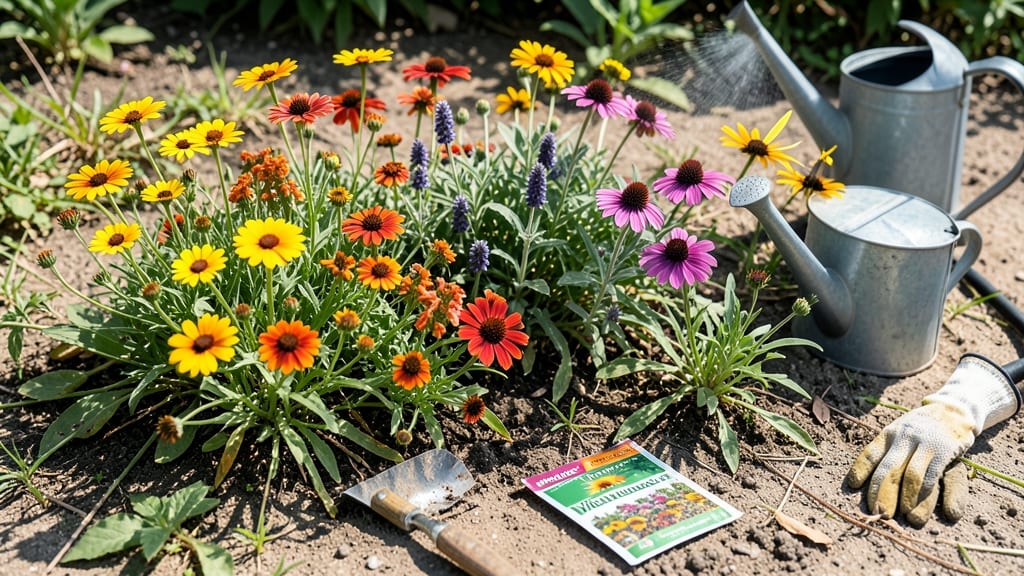
Planting wildflower seeds in Florida at the wrong time could mean waiting months for those vibrant blooms—or worse, watching them fail before they even sprout. Since Florida’s 8a-11 zones offer year-round growing opportunities, knowing the best windows makes all the difference for long-lasting color and healthy plants.
Unlike cooler climates, Florida’s warm winters and humid summers create unique challenges. Skipping the fall planting window might leave your garden sparse, while spring sowing can lead to drought stress before blooms appear.
The key is matching timing to your region—whether you’re in the Panhandle’s cooler pockets or South Florida’s frost-free zones.
I’ll break down the best months for planting, how to prep Florida’s sandy soil, and why some wildflowers thrive when others struggle. With the right approach, you can enjoy seasonal blooms from spring to fall—without the guesswork.
Ready to transform your yard into a wildflower paradise? Let’s dive into the timing secrets that’ll keep your garden bursting with color all year.
Best months to plant wildflower seeds in Florida by season
Florida’s two distinct growing seasons—fall/winter and spring/summer—create perfect windows for wildflower planting, but timing varies by region. In North Florida, cooler winters (USDA zones 8a-9a) allow fall sowing for spring blooms, while South Florida’s frost-free zones (zones 10a-11) support year-round planting.
Even Central Florida (zones 9b-10a) benefits from strategic timing to avoid summer drought stress.
For fall planting, aim for September to November—this gives seeds time to germinate before winter rains. Spring planting (February to April) capitalizes on Florida’s warmer soil temperatures, but avoid late spring when summer heat arrives.
Each region’s microclimate—like Panhandle’s cooler pockets or Everglades’ humidity—further refines the best months for your garden.
Here’s a quick reference for ideal planting windows across Florida’s zones, including soil prep tips and post-planting care to maximize success.
| Region | Best Planting Months | Soil Prep | Post-Planting Care | Bloom Window |
|---|---|---|---|---|
| North Florida (Zones 8a-9a) | September–November (fall) or February–March (spring) | Loosen soil, add compost; mulch to retain moisture | Water lightly daily for 2 weeks; reduce after germination | Spring to early summer |
| Central Florida (Zones 9b-10a) | August–October (fall) or January–April (spring) | Mix sand into clay soil; add organic matter | Deep water weekly; avoid overhead watering | Winter to summer (year-round blooms) |
| South Florida (Zones 10b-11) | Year-round (best: September–November or February–March) | Drainage holes in containers; use well-draining soil | Water bi-weekly; shade seedlings if intense sun | Spring, fall, and winter (avoid summer drought) |
In North Florida, focus on fall planting (September–November) to avoid winter frost. Seeds like black-eyed Susans and coreopsis thrive when sown before December 15, the average first frost date in zones 8a-9a. For spring blooms, plant in February–March to align with warming soil temperatures.
Central Florida’s mild winters extend planting into January–April, but avoid late spring (May) to prevent drought stress. Native wildflowers like blanket flower and butterfly weed benefit from August–October sowing, as summer rains help germination without overwatering risks.
South Florida’s frost-free climate allows year-round planting, but September–November and February–March are ideal. Humidity and summer rains can cause fungal issues, so prioritize well-draining soil and spaced-out sowing. Species like firebush and plume blossom flourish with minimal care in these windows.
For all regions, lightly cover seeds with ¼-inch soil or mulch to protect them from birds and erosion. Florida’s sandy soil drains quickly, so mix in compost or peat moss to retain moisture. After germination, reduce watering to weekly deep soaks to encourage deep root growth.
Pro tip: Native wildflower mixes (like those from Florida Native Plant Society) are pre-adapted to your region’s climate. They require less water and fewer fertilizers than non-native varieties, making them perfect for Florida’s low-maintenance gardens.
Timing your planting to Florida’s two main seasons ensures vibrant blooms with minimal effort. Whether you’re in the Panhandle’s cooler zones or Miami’s tropical heat, these windows maximize success while keeping your garden colorful year-round.
How Florida’s microclimates affect wildflower planting timing
Florida’s microclimates create dramatic differences in wildflower success. In North Florida, cooler winters mean fall planting is critical—seeds need 6-8 weeks to establish before frost arrives. Meanwhile, South Florida’s frost-free zones allow year-round sowing, but humidity and rainfall demand different prep strategies.
These regional variations can mean the difference between a lush wildflower meadow and a patchy, underperforming garden.
One of the biggest challenges is rainfall timing. North Florida’s dry springs can stress newly planted seeds, while South Florida’s summer downpours may wash seeds away if not properly stabilized. Understanding these patterns helps you choose the right planting window and soil prep methods for your specific area.
For example, coreopsis thrives in North Florida’s cooler months, while blanket flower prefers South Florida’s heat.
| Region | Best Planting Window | Key Climate Factors | Germination Time | Bloom Cycle |
|---|---|---|---|---|
| North Florida (Zones 8a-9a) | Late August - October | Cooler winters, dry springs, occasional frost | 4-6 weeks | Spring to early summer |
| Central Florida (Zones 9b-10a) | September - November or February - March | Mild winters, humid summers, occasional light frost | 3-5 weeks | Winter to summer |
| South Florida (Zones 10b-11) | Year-round (best: August-September or January-February) | Tropical warmth, high humidity, summer rains | 2-4 weeks | Year-round with seasonal peaks |
In North Florida, the fall planting window (August-October) gives seeds time to germinate before winter slows growth. I’ve seen black-eyed Susans and coneflowers establish beautifully when planted in September, producing vibrant blooms by April.
The key is to avoid planting too late—seeds need 4-6 weeks of warm soil to sprout before temperatures drop.
South Florida’s year-round warmth changes the game entirely. Here, summer planting (August-September) takes advantage of natural rainfall, while winter months (January-February) offer cooler germination conditions. However, the high humidity increases fungal risks, so I always recommend using well-draining soil mixes and avoiding overhead watering.
Native species like firebush and plume blossom thrive in these conditions.
Don’t overlook Central Florida’s unique position—it bridges both extremes. This region benefits from two planting windows: fall (September-November) for spring blooms and early spring (February-March) for summer color.
The mild winters allow some species to germinate year-round, but I’ve found that September planting yields the most consistent results for lantana and salvia varieties.
Regardless of your location, soil preparation is non-negotiable. Florida’s sandy soils need organic matter to retain moisture, especially in North Florida’s dry springs. I recommend mixing in compost or peat moss before planting, and always lightly mulch after sowing to prevent erosion from summer rains in South Florida.
These small adjustments can mean the difference between sparse blooms and a vibrant wildflower meadow.