
Plants
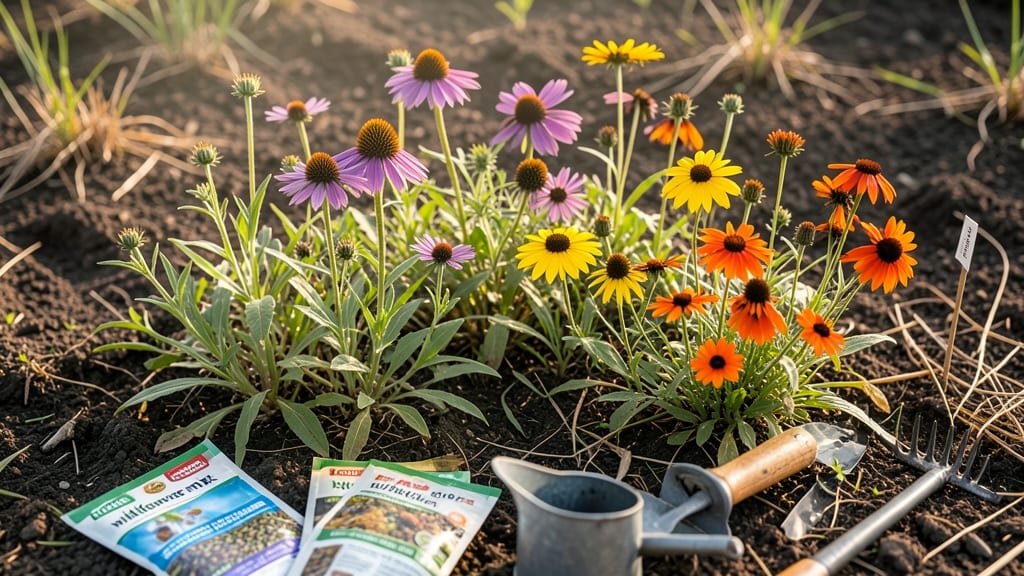
Timing your wildflower seeds right in Iowa is the secret to a garden bursting with color—because planting too early or late can leave you with frost-nipped dreams instead of blooming reality.
The 5a-5b climate means your success hinges on knowing exactly when to scatter those seeds, whether you're in a city heat pocket or a rural prairie zone.
Most gardeners swear by late summer to early fall planting, but Iowa’s unpredictable frost dates mean spring planting can work too—if you get the timing perfect.
I’ll break down the best windows for both seasons, so you can avoid the heartbreak of seeds lost to late frosts or wasted money on seeds that never sprout.
What if I told you the key isn’t just about the calendar but your local microclimate? Urban areas warm up faster than rural fields, and that can shift your planting window by weeks.
We’ll cover how to adjust for your specific corner of Iowa, plus the best wildflower mixes that thrive in your zone.
Ready to turn your yard into a pollinator paradise? Let’s dive into the exact steps to plant wildflowers at the ideal moment—so you can enjoy vibrant blooms from May through September without the guesswork.
Iowa’s wildflower planting zones: when to sow by microclimate
Iowa’s USDA zones 4b-5a create a unique challenge for wildflower gardeners—your planting window can shift dramatically depending on whether you’re in Des Moines’ urban heat island or a northern Iowa prairie.
The average last frost date hovers around April 15, but microclimates can push this by 1-3 weeks either way.
For zero-frost success, aim to plant wildflower seeds when soil temperatures hit 50°F+—a critical threshold for germination. In rural areas, this often means late August to early September, while urban zones may safely start as early as mid-August due to retained heat.
Spring planting is riskier but possible if you use row covers or plant after mid-April. The key is checking your local frost-free averages—Iowa State University’s Mesonet provides hyper-local data to refine your schedule.
Here’s your microclimate-specific planting guide, including urban vs. rural adjustments and frost-free date averages:
| Zone/Location | Fall Planting Window | Spring Planting Window | Avg. Last Frost | Soil Temp Goal |
|---|---|---|---|---|
| Urban (Des Moines, Cedar Rapids) | Mid-August - Late August | Mid-April - Early May | April 10-15 | 50°F+ |
| Suburban (Ames, Iowa City) | Late August - Early September | Late April - Mid-May | April 12-18 | 50°F+ |
| Rural/Northwest (Sioux City) | Early September - Mid-September | Early May - Late May | April 20-25 | 50°F+ |
| Northeast (Dubuque) | Late August - Early September | Late April - Early May | April 15-20 | 50°F+ |
| Southwest (Ottumwa) | Mid-August - Late August | Mid-April - Early May | April 5-10 | 50°F+ |
Pro tip: Use Iowa State’s Mesonet or your local Cooperative Extension office to check 30-day forecasts before planting. A 5-day warm spell in late April can make spring planting viable, even if averages suggest waiting.
For fall planting, prioritize drought-tolerant mixes like coneflowers or black-eyed Susans, which establish roots before winter. Spring plantings should focus on moisture-loving annuals like cosmos or zinnias to avoid drought stress during germination.
Remember: Soil temperature matters more than air temperature. Use a soil thermometer ($10 at garden centers) to confirm readiness—50°F+ for 5+ days is your green light.
Planting too early in cool soils leads to rot or failed germination, while waiting too long risks late-season weeds outcompeting your wildflowers.
If you’re in zone 4b (northwest Iowa), err on the side of later fall planting (September) to avoid early frosts. Zone 5a gardeners can push early spring planting as early as mid-April with row covers, but always monitor forecasts.
Once planted, lightly water the soil (not the seeds) to keep it consistently moist until germination. Most wildflower seeds need 1-3 weeks to sprout—patience is key! After that, reduce watering to encourage deep root growth.
🌱
Best wildflower seed types for Iowa’s spring vs. fall planting
Choosing the right wildflower seeds for Iowa depends entirely on whether you plant in spring or fall. Each season offers unique advantages: fall planting lets seeds establish roots before winter, while spring planting gives moisture-loving varieties a head start.
I’ll break down the best options for both timings, so you can pick seeds that thrive in your garden’s conditions.
For fall planting (August-September), focus on drought-resistant perennials like coneflowers (Echinacea) and black-eyed Susans (Rudbeckia). These hardy plants germinate slowly in cool soil but develop deep roots before winter, making them perfect for Iowa’s 5a-5b climate.
Spring-planted seeds, however, should include annuals like cosmos and zinnias that need consistent moisture to sprout quickly.
Spring Planting
- ✅ Faster germination
- ✅ Ideal for moisture-loving annuals
- ✅ Longer bloom season
Cons
- ❌ Risk of late frost damage
- ❌ Requires consistent watering
- ❌ Shorter establishment time
Fall Planting
- ✅ Early spring blooms
- ✅ Deep root establishment
- ✅ Drought-resistant varieties
Cons
- ❌ Slower germination
- ❌ Limited to hardy perennials
- ❌ Fewer color options
If you’re planting in spring (March-April), opt for annual wildflowers like cosmos and zinnias. These varieties thrive with consistent moisture and bloom rapidly, giving you vibrant colors from June through October.
For fall planting, native Iowa perennials like purple coneflower and butterfly weed are ideal—they establish roots before winter and reward you with low-maintenance blooms for years.
Iowa-specific seed mixes often include prairie dropseed and wild bergamot, both of which handle drought and poor soil beautifully. These mixes are perfect for fall planting because they germinate slowly but become resilient once established.
For spring planting, look for mixes with sunflowers and marigolds to attract pollinators early in the season.
Pro tip: Mix annuals and perennials for a garden that blooms from spring to fall. Plant perennials in fall for early spring color, then add annuals in spring to extend the season. This two-season strategy ensures your wildflower garden stays vibrant all year.
Don’t forget to prepare your soil with light raking and a thin layer of compost before scattering seeds. Whether you plant in spring or fall, the key is consistent soil contact and proper watering to give those seeds the best chance to thrive in Iowa’s unpredictable climate.