
Plants
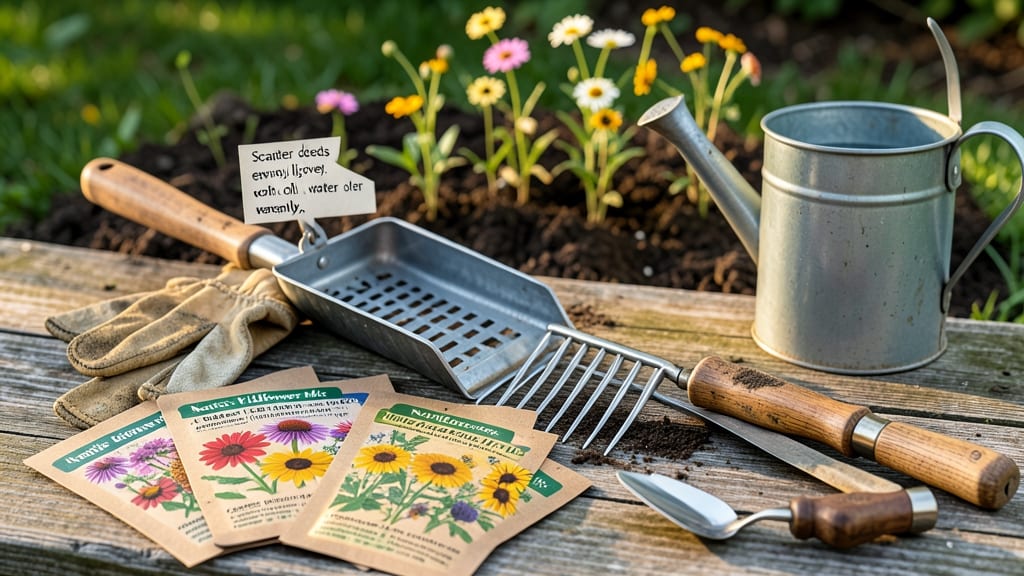
Planting wildflower seeds in New York at the right time can transform your yard into a buzzing, colorful haven—but timing matters more than you might think.
Whether you're in the bustling streets of NYC or the rolling hills of Upstate, getting those seeds in the ground during the optimal window ensures faster blooms and healthier plants.
Most gardeners know spring is prime time, but did you know fall planting often yields even better results? The key lies in understanding your USDA zone (5a-7b) and local frost dates, which can shift planting windows by weeks.
I'll break down the best months for your specific region and share pro tips to help your wildflowers 🌼 take root quickly.
From preparing the soil to choosing the right native varieties, we'll cover everything you need for a thriving meadow. Whether you're aiming for early spring color or a late-summer burst, these strategies will give you the fastest, most vibrant blooms possible in New York's climate.
Ready to skip the guesswork? Let's dive into the exact planting schedule and techniques that work best for your corner of the Empire State—no matter where you're located.
NY wildflower planting calendar by region (spring vs fall timing)
New York's diverse climate zones mean your wildflower planting timing should vary by region—whether you're in the Adirondacks or Long Island. Spring planting typically yields faster blooms, while fall sowing establishes roots before winter.
Let's break down the best months for each NY region to maximize your meadow's beauty.
For Upstate NY (USDA Zones 5a-6a), aim for late April to early May in spring or mid-August to early September in fall. These windows account for later frost dates and cooler soils.
In contrast, NYC metro and Long Island (Zones 6b-7b) can start 2-3 weeks earlier—mid-April for spring and late July for fall.
Native species like black-eyed Susans and coneflowers thrive with these adjustments. Milkweed, critical for monarch butterflies, benefits from fall planting to establish deep roots before summer heat.
Always check your local last frost date—Upstate averages April 15, while coastal areas may see frost as late as May 1.
| Region | Spring Planting Window | Fall Planting Window | Key Species | Frost Adjustment |
|---|---|---|---|---|
| Upstate NY | Late April - Early May | Mid-August - Early September | Black-eyed Susan, Coneflower, Milkweed | Wait for soil temps >50°F |
| NYC Metro | Mid-April - Late April | Late July - Early August | Coreopsis, Phlox, Goldenrod | Urban heat islands allow earlier planting |
| Long Island | Mid-April - Early May | Late July - Mid-August | Bee Balm, Butterfly Weed, Aster | Coastal breezes delay frost |
| Western NY | Early May - Mid-May | Late August - Early September | Purple Coneflower, Wild Bergamot | Later frost dates near lakes |
For fast blooms, prioritize spring planting in well-draining soil. Clear any existing vegetation first—wildflowers compete poorly with grass. Use a light rake to create a fine seedbed, then scatter seeds thinly. A light mulch (like straw) helps retain moisture during germination.
Fall planting offers advantages too: cooler temperatures reduce weed competition, and established roots handle summer droughts better. For Western NY, where lake effects create microclimates, delay planting until after May 15 to avoid late frosts near Finger Lakes regions.
NYC gardeners should leverage container planting for small spaces. Use fast-growing annuals like cosmos alongside perennials for immediate color. Remember: native species require minimal care once established—ideal for busy urban gardeners.
Adjust your timing if you're targeting seasonal color peaks. For example, plant early spring bloomers like bloodroot in fall to see flowers by April. Conversely, late summer varieties like goldenrod benefit from spring sowing to bloom by September.
Always monitor soil moisture after planting—keep it consistently damp but never soggy. Overwatering can cause seed rot. In dry years, consider a drip irrigation system to maintain even moisture across large meadow areas.
Pro tip: Mix wildflower seeds with sand for even distribution. This prevents clumping and ensures uniform germination. Aim for 1-2 pounds of seed per 1,000 sqft for a naturalistic look.
🌼 Whether you're creating a pollinator garden or restoring native habitat, precise timing transforms your NY garden from ordinary to extraordinary. Start with these regional guidelines, then fine-tune based on your microclimate and local weather patterns.
How soil temperature and microclimates affect NY wildflower germination
New York's diverse geography—from the cool Adirondacks to the warmer Hudson Valley—creates microclimates that shift planting windows by weeks. I've seen black-eyed Susans sprout in early April in the Catskills while struggling in late March near NYC.
These temperature variations directly impact seedling success, often by 2-3 weeks between regions.
Soil temperature is the #1 factor for wildflower germination. Most native seeds need 50-60°F soil temps to break dormancy. In colder zones like the Adirondacks (Zone 5a), wait until soil reaches 55°F consistently—typically mid-April—while Hudson Valley gardeners can plant 2 weeks earlier when temps hit 50°F.
A soil thermometer ($15 at garden centers) is your best tool. Stick it 2 inches deep in morning sunlight—this mimics where seeds will germinate. Check daily until temps stabilize. I always aim for 3 consecutive days above 50°F before planting fall seeds in September.
🌱Microclimates create planting puzzles. A south-facing slope warms 5-10°F faster than a north-facing yard. Urban areas like Brooklyn can be 5°F warmer than nearby suburbs due to heat islands. Always adjust your schedule based on your specific spot's warmth patterns.
| Region | Ideal Soil Temp | Planting Window | Late Frost Risk |
|---|---|---|---|
| Adirondacks (Zone 5a) | 55-60°F | Mid-April to early May | High (May 10 avg) |
| Hudson Valley (Zone 6a) | 50-55°F | Late March to April | Moderate (April 20 avg) |
| NYC Metro (Zone 7a) | 48-52°F | Early March to late April | Low (April 5 avg) |
| Long Island (Zone 7b) | 48-52°F | Late February to March | Very Low (March 25 avg) |
Late frosts remain the biggest wildflower killer in NY. Even after seeds sprout, a 28°F night can wipe out tender seedlings. Check NOAA frost forecasts for your county—some years, the Hudson Valley gets 3 weeks of late frosts while NYC escapes early.
I always plant cone flowers after the average last frost date plus 2 weeks as a buffer.
For fall planting, aim for 6-8 weeks before first frost. This gives seeds time to germinate before winter sets in. In the Adirondacks, that's late August, while Long Island can wait until early October.
Always monitor 7-day forecasts—if a 32°F night is predicted, cover young seedlings with frost cloth.