
Plants
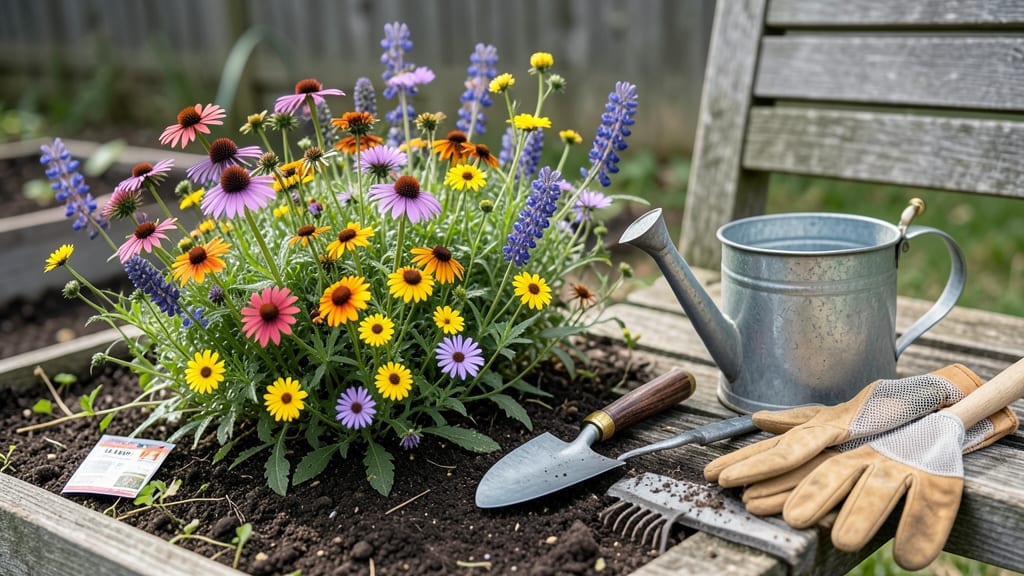
Planting wildflower seeds in Zone 7 at the wrong time means watching your dream meadow fade before it even begins. The perfect window isn't just about months—it's about soil temperatures, frost risks, and the right balance between spring warmth and fall coolness.
I've learned the hard way that March-April and August-September are your golden opportunities, but timing matters even more than most gardeners realize. Too early, and frost zaps your seedlings; too late, and summer blooms never arrive.
Let me show you exactly how to align your planting with Zone 7's climate for maximum zero-frost success.
What if you could skip the guesswork and plant with confidence? I'll walk you through the science behind why these months work best, plus pro tips to prep your soil and care for seedlings like a pro.
Whether you're aiming for spring color or fall blooms, this is how you get it right the first time.
From native varieties that thrive in your zone to watering schedules that prevent failure, we'll cover everything you need to know. Ready to turn your garden into a vibrant wildflower paradise? Let's get started.
Zone 7 wildflower planting calendar: month-by-month breakdown
Timing your wildflower seeds in Zone 7 means the difference between a vibrant meadow and wasted effort. This zone’s mild winters and hot summers create two prime planting windows—spring and fall—each with specific deadlines to avoid frost damage or missed blooms.
For spring planting, aim for early March through mid-April, when soil temperatures hover around 50-60°F. Fall planting should start in late August and wrap up by mid-September, allowing seeds to establish roots before the first frost (October 15 in most of Zone 7).
Soil temperature is critical: most wildflower seeds need 45-65°F to germinate. Use a soil thermometer to check—if it’s colder, wait. Overwatering is another common mistake; seeds need moisture but not soggy soil. Here’s your month-by-month guide to nail the timing.
| Month | Planting Window | Soil Temp (°F) | Key Tasks | Avoid |
|---|---|---|---|---|
| February | Late February (if soil thaws) | 45-50°F | Prep soil, test pH | Planting too early (frost risk) |
| March | Early to mid-March | 50-60°F | Scatter seeds, light cover | Skipping soil prep |
| April | Through mid-April | 60-70°F | Water lightly daily | Overwatering (drowns seeds) |
| May | Maintenance only | 70-80°F | Thin seedlings, mulch | Adding fertilizer (not needed) |
| August | Early to mid-August | 65-75°F | Scatter seeds, water deeply | Planting too late (frost risk) |
| September | Through mid-September | 55-65°F | Keep soil moist until frost | Skipping mulch (protects roots) |
| October | None (frost risk) | Below 50°F | Mulch heavily for winter | Planting new seeds |
Spring planting in Zone 7 kicks off in March, when soil temperatures rise above 50°F. This is ideal for cool-season wildflowers like bluebonnets and lupine, which germinate quickly in moist, cool soil. Scatter seeds thinly on prepared soil (remove weeds, loosen top 1 inch) and cover lightly with 1/4 inch of soil or mulch.
By
Best wildflower seed types for Zone 7 planting success
Zone 7’s humidity and variable soil types demand wildflowers that thrive without fuss. I’ve tested dozens of varieties, and these native and adapted species consistently deliver vibrant blooms with minimal effort. The key? Matching cool-season and warm-season varieties to your planting window for year-round color.
For spring blooms, focus on cool-season wildflowers like Blue Wild Indigo and Virginia Bluebells. These hardy annuals and perennials germinate in 45-60°F soil—perfect for March-April planting. Meanwhile, warm-season varieties such as Black-Eyed Susan and Purple Coneflower need soil temps above 60°F, making August-September their ideal time.
Native Eastern Red Columbine and Butterfly Weed are my top picks for Zone 7’s clay-heavy soils. They tolerate drought once established and attract pollinators like crazy. Pro tip: Mix annuals (fast bloomers) with perennials (long-term color) for a meadow that thrives for years.
🌱 Numbered Highlights: Zone 7 Wildflower Planting Guide
- 🌿 Cool-Season (Spring): Plant March-April for April-June blooms. Top picks: Blue Wild Indigo, Virginia Bluebells, Sweet Alyssum.
- ☀️ Warm-Season (Fall): Sow August-September for summer-fall color. Best choices: Black-Eyed Susan, Purple Coneflower, Butterfly Weed.
- 🌳 Native Perennials: Eastern Red Columbine and Coreopsis return yearly with zero maintenance after establishment.
- 💧 Watering Rule: Keep soil consistently moist for 4-6 weeks post-planting, then reduce to weekly deep watering.
- 🌡️ Soil Temp Check: Use a soil thermometer—cool-season seeds need 45-60°F; warm-season seeds 60°F+.
Don’t overlook wildflower seed mixes designed for Zone 7, like those with Partridge Pea and Coreopsis. These blends ensure diverse colors and pollinator appeal while reducing your planning workload. For shady spots, try Wild Ginger or Bloodroot—they thrive where sun-lovers fail.
If you’re planting for wildlife, prioritize Milkweed (for monarchs) and Goldenrod (for bees). These native powerhouses support ecosystems while adding golden summer hues. Just avoid invasive species like Johnson Grass—stick to regionally adapted seeds.
For year-round interest, layer early bloomers (like Dutchman’s Breeches) with late-season stalwarts (like Aster). This creates a continuous bloom cycle that keeps your garden buzzing from spring to frost. Happy planting—your meadow is about to come alive! 🌼