
Flowers
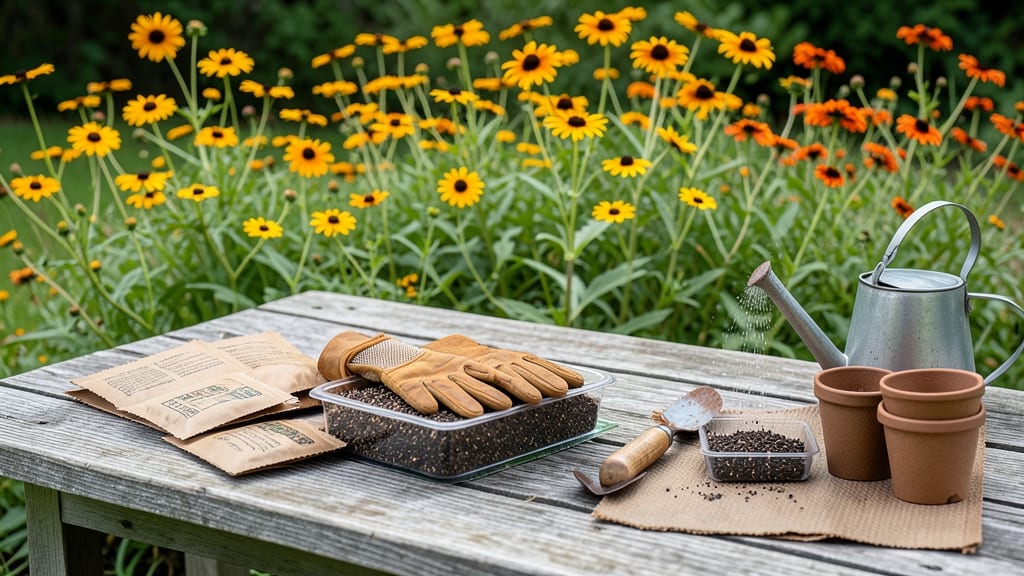
Timing your wildflower planting in North Carolina can mean the difference between a vibrant meadow and a wasted seed packet. Whether you're in the 6a mountains or 8b coastal plains, getting the window right ensures your 🌼 seeds thrive—not just survive.
Most gardeners assume spring is the only time to plant wildflowers, but fall offers a secret advantage: cooler soil and fewer weeds. I’ll show you exactly when to start in each zone so your seeds germinate at the perfect moment—no more guessing or failed blooms.
We’ll cover soil prep, frost dates, and which native species play well together. By the end, you’ll know not just when to plant, but how to set them up for a low-maintenance showstopper that attracts pollinators all season.
Ready to transform your yard into a pollinator paradise? Let’s dive into the best months for planting wildflowers in NC—without the trial and error.
North Carolina wildflower planting calendar by USDA Zone (with frost-free deadlines)
North Carolina spans 8 USDA hardiness zones (5a–8a), creating wildly different planting windows for wildflowers. In Zone 5a (Western NC mountains), frost can linger until May 15, while Zone 8a (Coastal Plain) may see frost-free conditions by February 15.
These timing differences mean your spring vs. fall planting strategy must adapt—annuals like cosmos thrive in early spring, while perennials such as black-eyed Susan prefer fall sowing for deeper root establishment.
For zero-frost success, aim to plant when soil temperatures hit 60°F+—a critical threshold for germination. Use this calendar to align your wildflower species with your zone’s frost-free window, avoiding the March–April soggy-soil trap common in Piedmont regions.
Coastal areas can push planting 2–3 weeks earlier than mountain zones, thanks to milder winters.
🌱 Key Takeaway: Fall planting (September–October) gives seeds time to root before winter, while spring planting (March–April) risks late frosts in higher elevations. Native species like purple coneflower and bee balm are more forgiving than exotic annuals.
In Zone 5a, where late frosts are common, prioritize fall planting for perennials like purple coneflower, which need 6–8 weeks
How to time wildflower planting for maximum blooms: soil prep and seed selection hacks
Wildflowers thrive when planted at the right time, but soil temperature and seed selection make all the difference in North Carolina. I’ve learned that fall planting often outperforms spring because cooler soil prevents seeds from drying out.
The key is understanding which species germinate quickly and which need time to establish before winter.
For fast-germinating wildflowers like Coreopsis or Zinnia, aim for March-April planting when soil reaches 60°F. Slower starters like Black-Eyed Susan or Butterfly Weed benefit from September-October sowing, giving roots time to develop before frost.
Scarification is my secret weapon for tough seed coats. Rubbing seeds between sandpaper or soaking them in warm water for 24 hours mimics natural weathering, breaking dormancy. This trick works wonders for native milkweed varieties that might otherwise sit dormant for years.
- Soil Prep: Loosen top 6 inches of soil and mix in compost to improve drainage. Wildflowers hate soggy roots!
- Scarification: Use sandpaper or hot water to break seed dormancy for tough coats like milkweed.
- Companion Planting: Pair wildflowers with clover or grasses to suppress weeds naturally.
- Fast Germinators: Plant Coreopsis or Zinnia in March-April for quick spring blooms.
- Slow Starters: Choose Black-Eyed Susan or Butterfly Weed for fall planting (Sept-Oct).
Don’t overlook companion planting—it’s a game-changer. I’ve seen clover and wildflowers work together to crowd out weeds while improving soil health. The clover fixes nitrogen, giving your wildflowers a nutrient boost without extra fertilizer.
When selecting seeds, prioritize native NC species like Purple Coneflower or Blazing Star. These plants have adapted to our climate, meaning they’re drought-tolerant and low-maintenance. Plus, they attract pollinators like butterflies and bees all season long.
Pro tip: If you’re planting in Zone 6a or higher, extend your growing season by using lightweight row covers in early spring. This protects tender seedlings from unexpected frosts while keeping soil warm enough for germination.
Finally, always water deeply after planting—especially in dry NC summers. A good rule of thumb is to soak the soil to 6 inches deep once a week. This encourages deep root growth, making your wildflowers more resilient once established. 🌼