
Flowers
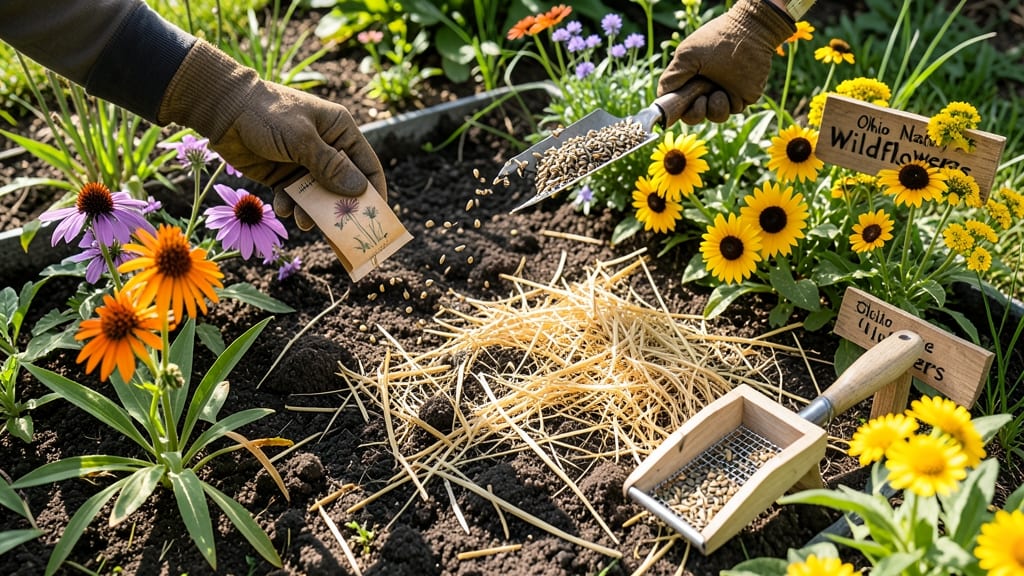
Timing your wildflower planting in Ohio after the last frost is the key to unlocking a garden bursting with color and life. 🌼 With Ohio's 6a climate zone bringing unpredictable spring weather, knowing exactly when to plant makes all the difference between thriving blooms and wasted effort.
Most Ohio gardeners wait until mid-April, when the risk of frost has passed and soil temperatures rise. But did you know some native species actually prefer the cooler soil of early spring?
This guide will help you navigate Ohio's planting windows—whether you're sowing seeds in March or waiting for July's late-summer opportunities.
We'll cover the best wildflower varieties for your region, soil prep tips to ensure strong root growth, and how to maintain your meadow once those first vibrant blooms appear. By the end, you'll have a clear timeline for planting that transforms your yard into a pollinator paradise.
The secret to successful wildflower gardens isn't just about when you plant—it's about working with Ohio's climate patterns. Let's make your garden the envy of the neighborhood with the right timing and care strategies.
Best Ohio wildflower planting windows by region and last frost dates
Ohio’s diverse climate zones mean your wildflower planting timeline should match your region—whether you're in the cool northern hills or the warmer southern valleys. Timing your planting after the last frost date and aligning with soil temperature thresholds (typically 50-60°F) ensures strong germination and survival.
Let’s break down the optimal planting windows for Ohio’s three key regions.
Northern Ohio (including Cleveland and Toledo) has the latest last frost dates, often around May 15, while Southern Ohio (like Cincinnati and Columbus) averages April 15.
Central Ohio falls in between, with April 25 as the typical cutoff. These dates shift slightly yearly, so always monitor your local agricultural extension service for updates.
Spring planting is ideal for most Ohio wildflowers, but fall planting (August-September) works for hardy perennials like Purple Coneflower and Black-Eyed Susan. Fall-sown seeds germinate slowly in cool soil, establishing roots before winter dormancy. For annuals like Sunflowers, wait until after the last frost to avoid frost damage.
Soil temperature is just as critical as air temperature. Use a soil thermometer to confirm 50°F+ for spring planting—cold soil can delay germination by weeks. In Northern Ohio, aim for late May for best results, while Southern Ohio gardeners can start as early as mid-April.
Here’s how Ohio’s three regions compare for wildflower planting:
For spring planting, focus on direct sowing after the last frost. Scatter seeds thinly (most wildflowers self-seed readily) and lightly cover with ¼ inch of soil or mulch. Press seeds into the soil to ensure contact—this is critical for small seeds like Blue Wild Indigo or Partridge Pea.
If you’re planting in fall, choose perennial varieties like Butterfly Weed or Goldenrod, which establish deep roots before winter. Avoid planting annuals in fall—they won’t survive Ohio’s winters. Water fall-planted seeds deeply once after sowing to encourage root growth before dormancy.
Pro tip: Use biodegradable seed tape for precise spacing with wildflowers like Coreopsis. This saves time and prevents overcrowding, which can lead to fungal diseases in humid Ohio summers. Always water in the morning to reduce evaporation and fungal risks.
Ohio’s microclimates mean even nearby gardens can have 2-week differences in frost dates. Check your USDA Zone (most of Ohio is Zone 6a) and adjust planting dates accordingly. For example, Appalachian foothills may frost later than southern plains regions.
Once planted, wildflowers thrive with minimal intervention. Mulch lightly with straw or leaves to retain moisture and suppress weeds, but avoid thick layers that can smother seeds. Within 4-6 weeks, you’ll see sprouts—just give them full sun and occasional deep watering to establish strong roots.
🌼
Top 5 native Ohio wildflowers for post-frost planting and their growth cycles
After Ohio’s last frost—typically around mid-April—your garden is ready for native wildflowers that thrive with minimal care. These pollinator favorites not only bring color but also support local ecosystems. Let’s dive into the top 5 species perfect for post-frost planting and their unique growth cycles.
Each of these wildflowers has adapted to Ohio’s 6a climate zone, making them resilient to temperature swings and drought. Whether you’re sowing seeds in spring or preparing for late-summer blooms, these varieties will reward you with long-lasting beauty and low-maintenance growth.
🌱 Black-Eyed Susan (Rudbeckia hirta) is a spring-to-fall bloomer that germinates in 7–14 days when sown after the last frost. Its golden-yellow petals attract butterflies and bees, while its drought tolerance makes it ideal for Ohio’s unpredictable weather.
Purple Coneflower (Echinacea purpurea) thrives in full sun and blooms from mid-summer to fall. Plant seeds in early spring or late summer for two-year-old plants that will self-seed reliably. Its deep purple blooms are a magnet for pollinators.
Butterfly Weed (Asclepias tuberosa) is a drought-resistant perennial with orange-orange blooms that appear in late spring to summer. Sow seeds in early spring or fall for germination in 10–30 days. This milkweed variety is essential for monarch butterflies.
🌼 Coreopsis (Tickseed) offers cheerful yellow blooms from early summer to fall and germinates in 7–21 days. Plant seeds in spring or fall for a long-blooming display. Its fine foliage adds texture to pollinator gardens.
Bee Balm (Monarda didyma) thrives in partial shade and blooms from mid-summer to fall. Start seeds indoors 8–10 weeks before last frost or plant bare-root plants in spring. Its red, pink, or purple flowers attract hummingbirds and bees.
For a low-maintenance pollinator garden, pair these wildflowers with companion plants like yarrow or goldenrod. These combinations create a thriving ecosystem while reducing weeds. Start with Black-Eyed Susan and Coneflower for a bold, colorful display that butterflies and bees will adore.
Remember, Ohio’s soil can be heavy in clay, so amending with compost before planting will give your wildflowers the best start. With the right timing and care, your garden will burst into color by summer’s end! 🌻