
Companion Plants
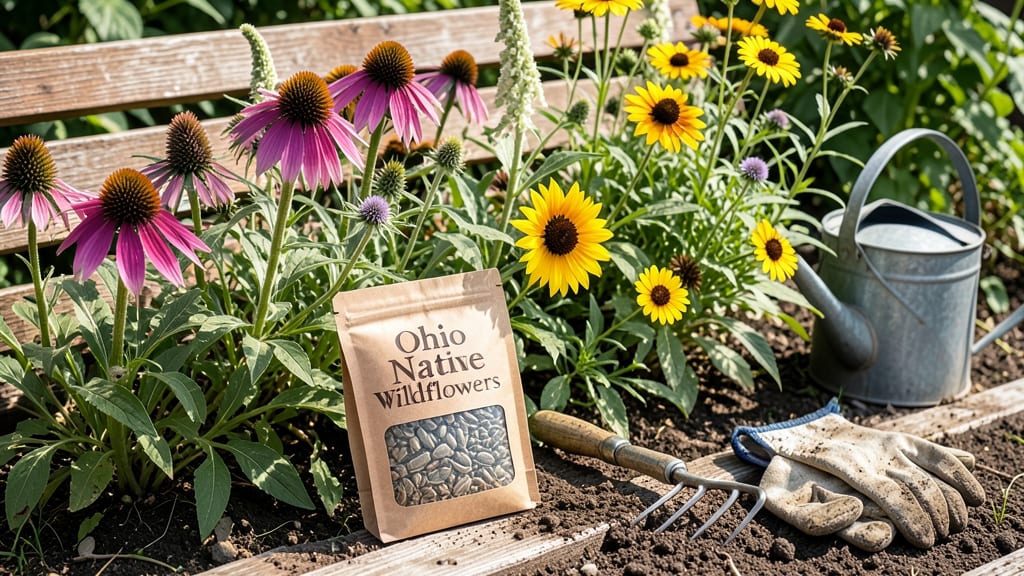
Planting wildflower seeds in Ohio at the wrong time can mean the difference between a vibrant meadow bursting with 🌼 color and a wasted packet of seeds.
Whether you're in chilly Zone 5 or warmer Zone 6a, timing matters—too early and frost will nip your dreams in the bud, too late and you’ll miss the best blooming seasons.
Most Ohio gardeners swear by two perfect windows: early spring (March-April) when the soil warms but frost hasn’t fully retreated, or early fall (September-October) when summer heat fades. But here’s the catch—your exact county’s last frost date (like April 15 in most areas) determines your best move.
I’ll break down the best planting months for your specific Ohio location, plus pro tips to prep your soil and choose the right wildflower mixes for your yard. No more guessing—just a clear, actionable plan to get those seeds in the ground at the perfect moment.
Ready to transform your Ohio landscape into a pollinator paradise? Let’s dive into the exact timing and techniques that’ll make your wildflowers thrive year after year.
Ohio wildflower planting calendar by USDA Hardiness Zones 5-6
Ohio’s USDA Hardiness Zones 5-6 create distinct planting windows that can make or break your wildflower meadow.
In northern Ohio (Zone 5), like Cuyahoga County, last frosts often linger until mid-April, while southern Ohio (Zone 6), such as Hamilton County, typically sees frost-free conditions by early April.
These timing differences mean your planting strategy should adapt to avoid frost damage or missed germination windows.
Most Ohio gardeners achieve the best results by planting wildflower seeds either in early spring (March-April) or early fall (September-October). Spring planting allows seeds to establish roots before summer heat, while fall planting leverages natural winter moisture for spring germination.
However, soil temperature is critical—seeds need 45-65°F soil temps to sprout, which typically aligns with these windows.
Here’s how to align your planting with Ohio’s microclimates. Northern counties like Ashtabula or Geauga may need to wait until late April for safe planting, while southern areas like Franklin or Montgomery can start as early as mid-March. Always check your local frost-free date for precision.
⚠️ Comparison Table: Ohio Wildflower Planting by Zone & Season
| Zone/County | Spring Planting Window | Fall Planting Window | Soil Temp Requirement | Best Wildflower Mix |
|---|---|---|---|---|
| Zone 5 (Northern OH) Cuyahoga, Lake, Ashtabula |
Late April - Early May | Mid-September - Late October | 45-65°F (after last frost) | Prairie Mix (Coneflower, Black-Eyed Susan, Blazing Star) |
| Zone 6 (Southern OH) Hamilton, Franklin, Montgomery |
Mid-March - Early April | Early September - Mid-October | 50-70°F (soil warms faster) | Woodland Mix (Bloodroot, Trillium, Wild Columbine) |
| Both Zones Year-Round Strategy |
Scatter seeds in January-February for early blooms (cover with straw) | Plant winter-hardy species like Goldenrod in November | 35-45°F (for winter sowing) | Winter Mix (Goldenrod, Aster, Coreopsis) |
For spring planting, aim to sow seeds 2-4 weeks before your last frost date. In Zone 5, this often means late March to early April, while Zone 6 gardeners can start as early as mid-March.
Prepare your soil by removing weeds and lightly raking to create a fine seedbed. Scatter seeds evenly and press them into the soil—no deeper than 1/4 inch—to ensure proper contact.
Fall planting in Ohio offers unique advantages. Seeds sown in September-October benefit from natural winter moisture and germinate in early spring. Choose native perennials like Purple Coneflower or Butterfly Weed, which thrive in Ohio’s climate.
In Zone 6, you can even plant winter-hardy annuals like Sweet Alyssum in late fall for early spring blooms.
Ohio’s unpredictable spring weather can challenge even experienced gardeners. If you plant too early in Zone 5, a late frost can wipe out your seedlings. To mitigate this risk, use frost blankets or plant in sheltered microclimates, like near a south-facing fence.
For Zone 6, where springs arrive earlier, focus on soil moisture retention by mulching lightly after planting.
Don’t overlook winter planting for Ohio wildflowers. While less common, sowing seeds in January-February under a protective layer of straw can yield earlier blooms. This method works best for cold-hardy species like Goldenrod or Aster, which germinate in cooler temperatures.
Just ensure the soil isn’t frozen or waterlogged—ideal conditions are 35-45°F with occasional moisture.
When selecting wildflower mixes, prioritize native Ohio species that align with your zone’s sunlight and soil conditions. For example, Black-Eyed Susan thrives in full sun and dry soils, making it ideal for Zone 5’s prairie areas, while Bloodroot prefers shadier, wooded settings in Zone 6.
Always check seed packets for zone compatibility and bloom times to plan your meadow’s seasonal display.
To maximize success, test your soil
Best wildflower seed types for Ohio’s climate and soil conditions
Ohio’s varied soil types—from limestone-rich bedrock to heavy clay and sandy loam—demand wildflowers that thrive without fuss. Native species like Black-Eyed Susan and Purple Coneflower not only survive but flourish in these conditions, attracting pollinators while requiring minimal care.
The key? Matching your soil’s pH and drainage to the right plants. For example, limestone areas (common in southern Ohio) favor alkaline-loving blooms, while clay soils in northern counties need deep-rooted varieties to avoid waterlogging.
I’ve handpicked 10 native wildflowers that dominate Ohio meadows, each adapted to specific soil challenges. Whether your yard is sun-drenched or shaded, drought-prone or moist, there’s a perfect match. Below, you’ll find their planting depths, sunlight needs, and bloom times—plus a soil-adaptation matrix to simplify your choices.
🌱 Pro Tip: Always test your soil’s pH before planting. Ohio’s limestone bedrock often raises pH above 7.0, so amend with sulfur if planting acid-loving species like Bloodroot.
For limestone-heavy soils (common in southern Ohio), prioritize Purple Coneflower and Wild Bergamot, which tolerate alkaline conditions. In clay-heavy areas (like northern Ohio), deep-rooted Butterfly Weed and Goldenrod prevent compaction. Meanwhile, shady woodlands thrive with Bloodroot and Phlox, both of which bloom early before summer heat sets in.
🌿 Soil Prep Hack: Mix compost into clay soils to improve drainage, and add sand to heavy loam for better aeration. Avoid tilling limestone areas—it disrupts beneficial microbes.
Once planted, most Ohio wildflowers need minimal watering after establishment. Focus on keeping seeds moist during germination (first 2–3 weeks), then let nature take over. With the right species, your meadow will reward you with season-long color and a buzzing pollinator population.