
Flowers
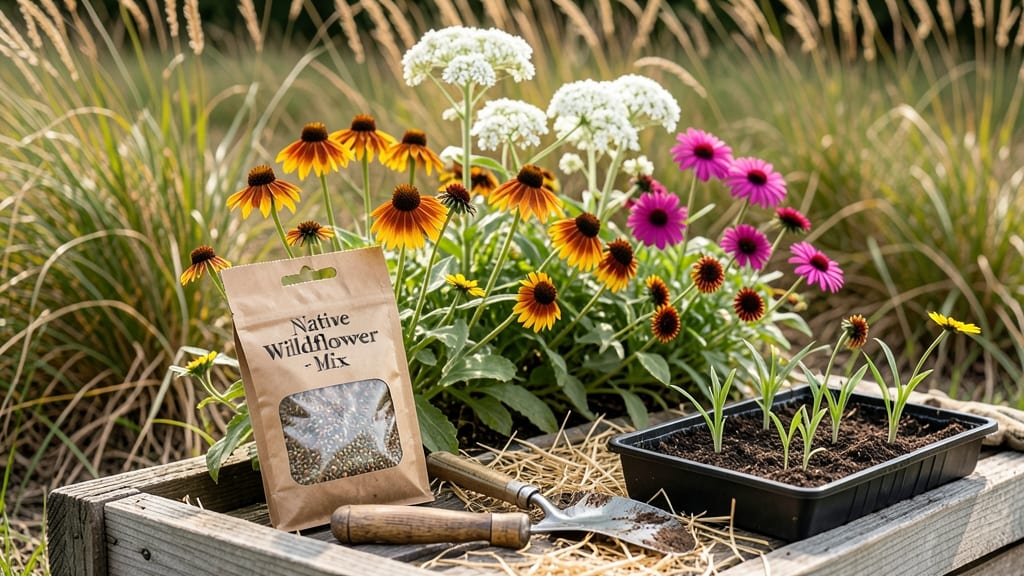
Planting wildflowers in Oklahoma at the wrong time could mean waiting months—or even years—for those vibrant blooms to appear. The key to success lies in understanding USDA Zones 6a-8a, where timing your seeds just right ensures a thriving meadow from spring to fall.
With Oklahoma's unpredictable weather, many gardeners struggle to find the perfect window. But whether you're planting black-eyed Susans or Indian blanket, knowing when to sow seeds—like late winter to early spring or early fall—makes all the difference.
In this guide, I’ll break down the exact planting windows for your region, including soil prep tips and seasonal adjustments. You’ll discover how to maximize blooms with minimal effort, whether you’re a beginner or a seasoned gardener.
Ready to transform your landscape into a colorful wildflower haven? Let’s get started with the best planting strategies for Oklahoma’s unique climate.
Oklahoma wildflower planting calendar: exact dates for USDA Zones 7a/7b
Timing is everything when planting Oklahoma wildflowers, especially in USDA Zones 7a/7b where frost dates shift unpredictably. The key to vibrant blooms lies in planting when soil temperatures hit 55°F+ and rainfall aligns with native species' needs.
For spring planting, aim for March 15–April 15, while fall planting (September–October) offers drought-resistant advantages. Northern Oklahoma's cooler microclimates may delay spring planting by 1–2 weeks compared to southern regions.
Native Oklahoma wildflowers like Indian blanket (state flower), black-eyed Susans, and coneflowers thrive with precise timing. These species evolved to capitalize on Oklahoma's 20–30 inch annual rainfall, with peak blooms occurring when planted during their optimal windows.
Missing these dates risks poor germination or stunted growth due to heat stress or drought. Let's break down the exact months and microclimate adjustments for each planting strategy.
📅 Summary Table: Oklahoma Wildflower Planting Calendar
| Planting Window | USDA Zone 7a | USDA Zone 7b | Soil Temp Threshold | Notes |
|---|---|---|---|---|
| Spring Planting | March 15–April 15 | March 1–April 10 | 55°F+ | Best for early blooms; water deeply after planting. |
| Fall Planting | September 1–October 15 | September 15–October 30 | 60°F+ | Drought-resistant; seeds germinate in cooler soil. |
| Late Summer | July 15–August 15 | July 1–August 10 | 65°F+ | Ideal for perennial wildflowers; leverages summer rains. |
| Microclimate Adjustments | Northern OK: Delay spring by 1–2 weeks | Southern OK: Advance fall by 1 week | N/A | Use local frost data; observe nearby gardens. |
For spring planting, focus on March–April when soil temperatures consistently stay above 55°F.
This window aligns with Oklahoma's average last frost dates (March 15 for Zone 7a, April 15 for Zone 7b), giving seeds time to germinate before summer heat arrives. Black-eyed Susans and coneflowers planted in this window typically bloom by June–July, providing early summer color.
Use a soil thermometer to confirm readiness—seeds won’t sprout until temperatures stabilize.
Fall planting offers unique advantages for drought-prone Oklahoma. Planting in September–October allows seeds to germinate in cooler soil, reducing competition from weeds and leveraging fall rainfall (Oklahoma averages 3–4 inches in October). Indian blanket and coreopsis thrive when sown in fall, often producing 20–30% more blooms the following spring.
The trade-off? Fall-planted seeds may not bloom until May–June of the next year, but they establish deeper roots.
Northern Oklahoma’s cooler microclimates (e.g., Zone 7a areas like Oklahoma City) require adjustments: delay spring planting by 1–2 weeks to avoid frost damage, and plant fall seeds by September 15 instead of October.
Southern regions (e.g., Tulsa) can push fall planting to October 30 and advance spring planting to March 1. Always check local Almanac frost dates—they’re more reliable than zone averages.
Soil preparation is non-negotiable for Oklahoma wildflowers. Loosen the top 6 inches of soil to improve drainage (critical in Oklahoma’s clay-heavy soils), then scatter seeds evenly. Lightly cover with ¼ inch of soil or mulch—never bury seeds deeper than their width, or germination fails.
After planting, water deeply but infrequently (every 7–10 days) to encourage deep root growth. Avoid overhead watering, which can wash seeds away or cause fungal issues.
Pro tip: Mix wildflower seeds with sand or compost for even distribution, especially in large meadows. A seed-to-soil ratio of 1:10 (1 part seed to 10 parts soil) works well for most Oklahoma natives.
Label your planting areas—some species like Indian blanket self-seed aggressively and may dominate if unchecked. Mulch with straw or leaves after germination to retain moisture and suppress weeds without smothering young plants.
Monitor your wildflowers for heat stress after planting. Oklahoma’s summer temperatures can
5 Critical factors that determine your Oklahoma wildflower success
Planting wildflowers in Oklahoma isn’t just about picking the right dates—it’s about understanding how your local climate interacts with your seeds. The state’s 20–30 inch annual rainfall and USDA Zones 7a/7b create unique conditions where timing, soil moisture, and sunlight exposure can make or break your meadow.
Even native species like Indian blanket or black-eyed Susans need specific conditions to thrive.
One of the biggest mistakes I see is ignoring Oklahoma’s peak rainfall months (April–May). These months provide natural irrigation, but planting too early or too late can leave seeds vulnerable to drought or frost.
For example, sowing annual wildflowers in late winter (February–March) risks exposure to late freezes, while waiting until June may miss the moisture window entirely.
Here’s what truly matters beyond the calendar:
- Soil Moisture: Oklahoma’s clay-heavy soils retain water, but seeds need consistent moisture for 4–6 weeks post-planting. Use a soil moisture meter to check—aim for 40–60% moisture at 1-inch depth.
- Seed Type: Annuals (like cosmos) germinate faster but need replanting yearly, while perennials (like coneflowers) establish roots deeper but take 2–3 years to fully bloom.
- Sunlight Exposure: Most Oklahoma wildflowers thrive in full sun (6+ hours/day), but partial shade works for drought-prone areas. Avoid planting in low-light spots like dense tree canopies.
- Rainfall Patterns: Leverage Oklahoma’s spring rains by planting in early April for natural watering. Fall-planted seeds benefit from September showers before winter dormancy.
- Microclimate Adjustments: Northern Oklahoma (Zone 7a) has colder springs—wait until mid-April—while southern areas (Zone 7b) can start in late March.
Let’s talk about sunlight exposure first. While most wildflowers love full sun, Oklahoma’s intense summer heat can stress plants if they’re not acclimated. For example, Mexican hat wildflowers tolerate partial shade better than blanketflower, which wilts in afternoon shade.
Always choose species matched to your site’s light conditions—check your yard’s sunlight patterns for at least 2 weeks before planting.
Another game-changer is seed type. Annual wildflowers like coreopsis burst into bloom within 60–90 days but require yearly replanting, while perennials like purple coneflower establish slowly but reward you with decades of blooms.
Mix both types for continuous color—plant annuals in spring and perennials in fall to stagger growth cycles.
Finally, don’t underestimate the power of Oklahoma’s seasonal rainfall. Instead of relying on irrigation, time your planting to align with natural moisture. For instance, fall-planted seeds (August–September) soak up autumn rains, while spring seeds (March–April) benefit from the state’s wettest months.
Even in drought years, these patterns hold true—just monitor soil moisture closely.
By focusing on these five factors, you’ll transform your wildflower dreams into a low-maintenance, high-reward Oklahoma landscape. Start with soil prep, choose the right mix of annuals and perennials, and let the state’s natural rhythms do the rest.
Your meadow will thank you with vibrant blooms from spring to fall—no guessing required. 🌼