
Flowers
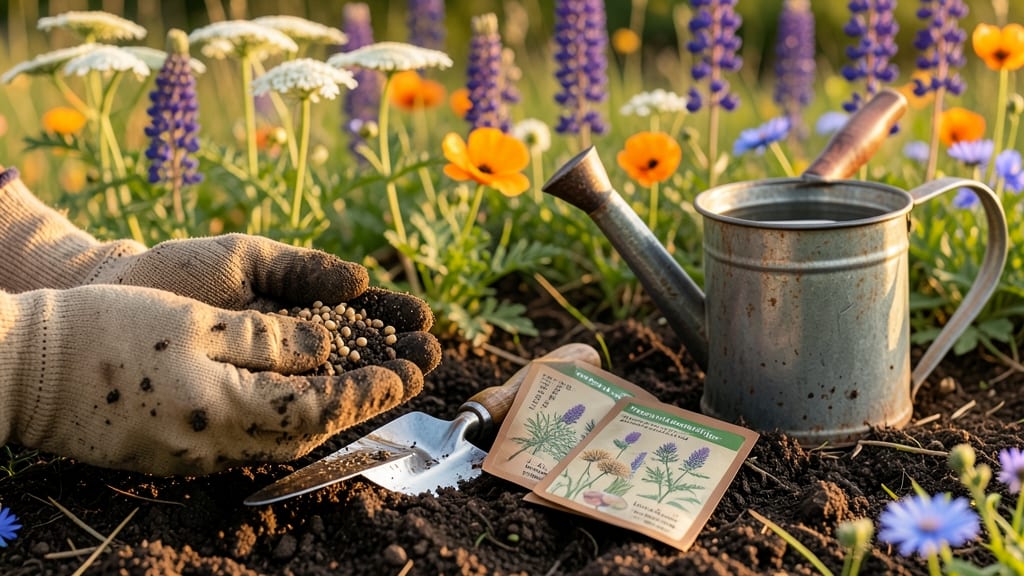
Planting wildflowers in the Pacific Northwest at the wrong time can mean the difference between a vibrant meadow and a lost investment. The region’s unique climate—coastal fogs, inland heat, and unpredictable frost dates—demands precision if you want your 🌼 seeds to thrive.
Most gardeners assume spring is the only window, but fall planting often yields bigger blooms with less effort. Whether you’re in USDA Zone 7b or 9a, timing matters more than you think—especially when balancing rain, soil temps, and frost risks.
In this guide, I’ll break down the best months for coastal vs. inland planting, plus pro tips to outsmart the PNW’s quirks. Skip the guesswork and learn exactly when to sow for a pollinator paradise that lasts.
Ready to transform your yard? Let’s dive into the perfect planting schedule for your wildflowers—no more wasted seeds or missed opportunities.
Pacific Northwest wildflower planting zones: coastal vs inland timing differences
The Pacific Northwest’s microclimates create dramatic differences in wildflower planting success. Coastal regions like Olympia and Portland enjoy milder winters and higher humidity, while inland areas such as Spokane or Boise face colder temperatures and drier summers.
These variations mean your planting window could shift by months between zones, affecting everything from seed germination to established root growth.
Understanding these differences is key—coastal wildflowers often thrive with fall planting (September-October), while inland gardens benefit from spring planting (March-April) to avoid winter die-off. Let’s break down the critical timing factors so you can choose the best approach for your location.
| Factor | Coastal Zones (7-9) | Inland Zones (4-7) |
|---|---|---|
| Best Planting Window | Fall (Sep-Oct) or Early Spring (Feb-Mar) | Spring (Mar-Apr) or Late Summer (Aug) |
| Frost-Free Dates | Last frost: Mid-March | First frost: Late November | Last frost: Mid-April | First frost: Mid-October |
| Soil Temp for Germination | 50-60°F (cooler due to marine influence) | 60-70°F (warmer inland soils) |
| Rainfall Patterns | Consistent moisture; avoid overwatering | Drier summers; drought-tolerant species preferred |
| Ideal Species for Coastal | Lupines, Yarrow, Columbine (moisture-loving) | |
| Ideal Species for Inland | Blanket Flower, Penstemon, Purple Sage (drought-resistant) | |
| Summer Planting Note | Possible but risky (high humidity) | Best for late summer (avoids heat stress) |
For coastal gardeners, fall planting is ideal because mild winters prevent seed dormancy issues. The consistent rainfall ensures seeds stay hydrated without risking rot. I’ve found that lupines and columbine thrive when sown in September, taking advantage of the 60-70°F soil temperatures that trigger germination.
Inland areas, however, demand a spring focus due to colder winters. Planting in March or April aligns with soil warming to 60°F+, which is critical for species like blanket flower. The drier summers also mean inland gardens benefit from deep watering schedules once established.
One common mistake I see is planting coastal species inland or vice versa. For example, yarrow (a coastal favorite) may struggle in Zone 5 winters, while purple sage (inland-hardy) can rot in Zone 8 coastal fog. Always match native species to your microclimate.
If you’re unsure about your specific frost dates, check the USDA Plant Hardiness Zone Map and local weather stations. For instance, Seattle’s last frost often occurs 2-3 weeks earlier than Portland’s, even though they’re in the same zone. These nuances can shift your planting by weeks.
For summer planting, coastal regions should avoid it unless using shade-tolerant species like foxglove. Inland areas, however, can plant late August for a fall bloom, as the soil stays warm longer and rainfall decreases. Just mulch heavily to retain moisture.
Pro tip: Use seed stratification for inland plantings in spring. Many Pacific Northwest natives (like checkermallow) need a cold period to break dormancy. Place seeds in a moist paper towel in the fridge for 4-6 weeks before planting for faster germination.
Remember, soil prep is just as critical as timing. Coastal soils often need amendment with sand to improve drainage, while inland soils benefit from compost additions to retain moisture. Test your soil’s pH—most wildflowers prefer 6.0-7.0, but lupines thrive in slightly acidic soil (5.5-6.5).
Best wildflower species for Pacific Northwest planting by season
The Pacific Northwest’s three distinct seasons—cool, wet springs, warm summers, and mild falls—create perfect windows for wildflower planting. Spring brings moisture-loving blooms, summer thrives with drought-tolerant species, and fall offers a second chance for deep-rooted natives.
Each season has its star performers, from Pacific coast iris to checkermallow, all adapted to thrive in your microclimate.
I’ve curated season-specific lists to match your region’s unique conditions. Coastal gardeners will love moisture-loving varieties, while inland growers can focus on drought-resistant species that handle summer heat. Whether you’re sowing annuals for instant color or perennials for long-term beauty, timing is everything in the PNW’s unpredictable climate.
🌱 Spring Planting (March-May)
- 🌼 Pacific coast iris – Thrives in coastal USDA Zone 7b with 6+ hours of sun
- 🌿 Lupine – Fixes nitrogen in soil; loves well-draining areas
- 💧 Columbia lily – Coastal favorite; moisture-retentive soils
☀️ Summer Planting (June-August)
- 🌻 Checkermallow – Drought-tolerant; inland Zone 5-7 staple
- 🌵 Yarrow – Heat-loving perennial; attracts pollinators
- 🌿 Blanket flower – Full sun lover; red/orange blooms all summer
🍂 Fall Planting (September-November)
- 🌺 Columbine – Cold-hardy; blooms early spring
- 🌿 Sword fern – Shade-tolerant; coastal ground cover
- 🌸 Blue-eyed grass – Native perennial; drought-resistant
Fall is my favorite time to plant wildflowers in the PNW—cooler temps mean less competition from weeds, and seeds get a natural stratification period. For coastal gardens, focus on moisture-loving species like Columbia lily, while inland areas benefit from drought-tolerant varieties like checkermallow or yarrow.
Pro tip: Mix annuals and perennials for year-round color. Annuals like lupine give instant blooms, while perennials like columbine return every year. Always check your USDA zone—coastal Zone 7b has later frost dates than inland Zone 5.
Start with small test patches to see what thrives in your microclimate. Over time, you’ll learn which wildflowers become your garden’s star performers—and which to avoid. Happy planting! 🌸