
Propagation
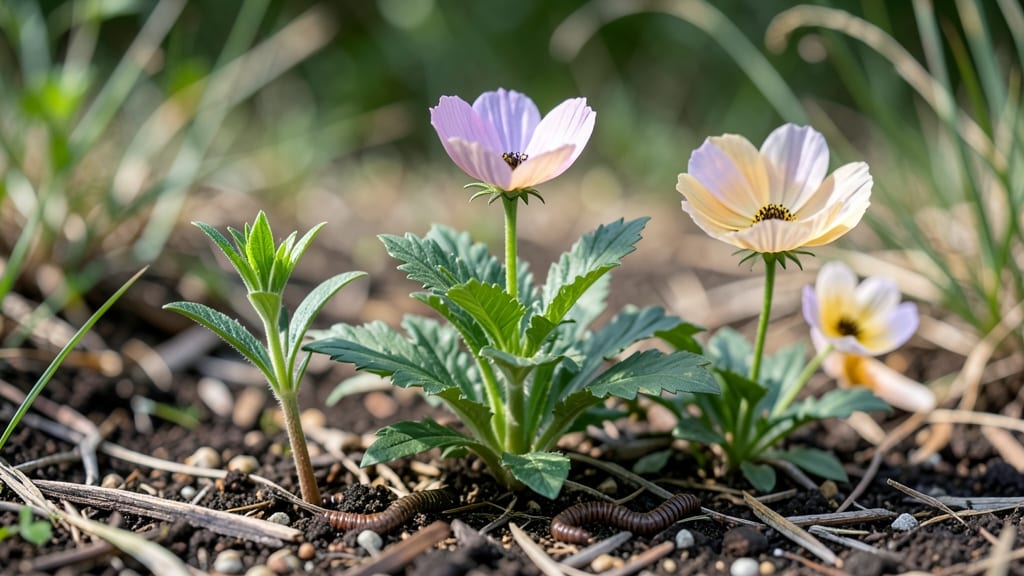
If you've ever waited weeks for those 🌸 wildflower seeds to sprout—only to see the wildflower germination time stretch longer than expected—you know the frustration. The good news? Germination time isn't just luck; it's science you can control with the right moisture and heat tricks.
Most wildflowers need 7 to 21 days to germinate, but some stubborn varieties take twice as long. The secret lies in mimicking their natural environment—think warm soil and consistent dampness without soggy conditions. I'll show you exactly how to cut that waiting period in half.
Annual wildflowers often sprout faster than perennials, but even the slowest seeds can be coaxed along with simple adjustments. Whether you're planting in USDA Zone 6 or a container, these proven methods will help you see those first sprouts sooner than you expect.
Ready to transform patience into progress? Let's dive into the moisture-heat combo that works every time—no guesswork required.
How long do wildflowers take to germinate (and what affects it?)
Wildflowers may seem patient, but their germination timelines vary wildly depending on the species and conditions. Some annuals sprout in just 5-7 days, while perennials might take 14-21 days or longer. Understanding these differences helps you set realistic expectations and troubleshoot delays before they become problems.
Most wildflower seeds need consistent moisture and warm soil to break dormancy. Cold stratification (a chilling period) is also critical for many species, especially perennial wildflowers like black-eyed Susans or coneflowers. Without it, germination can stall for weeks—or never happen at all.
Soil temperature is the #1 factor controlling speed. Ideal ranges are 60-75°F for most wildflowers, but cool-season varieties like bluebonnets thrive at 50-60°F. If your soil is too cold, sprouts may take 2-3x longer or fail entirely.
Light exposure plays a surprising role too. Many wildflower seeds need sunlight to germinate, so avoid burying them deeper than 1/4 inch. If you’re sowing in shaded areas, opt for shade-tolerant species like foxglove or columbine, which handle lower light better.
Moisture consistency is another common stumbling block. Uneven watering causes seeds to dry out or rot before sprouting. Use a light misting or drip irrigation to keep soil evenly damp—never soggy. A simple trick? Cover seeds with horticultural fabric to retain humidity without blocking light.
Patience is key, but delayed germination often signals an issue. If seeds haven’t sprouted after 3-4 weeks past the expected time, check for poor soil contact, dormancy requirements, or pest interference.
Some seeds, like lupines, may even need scarification (lightly scratching the seed coat) to break dormancy.
Seasonal timing matters just as much as soil conditions. Planting annual wildflowers in late summer gives them time to establish roots before winter, while perennials often need a fall planting to undergo natural cold stratification. Miss the window, and you might wait an extra year for blooms.
Even the depth of planting affects speed. Most wildflower seeds should sit just below the soil surface—no deeper than 1/8 inch. Deeper planting can delay germination by 10-15 days or prevent it entirely.
Think of it like tucking seeds into a cozy blanket of soil, not burying them under a mountain.
Finally, seed age impacts viability. Older seeds (over 2 years) often germinate poorly. Store wildflower seeds in a cool, dry place and label them with purchase dates to avoid surprises. Fresh seeds from reputable suppliers will give you the fastest, most reliable results.
5 Proven tricks to speed up wildflower germination fast
Wildflowers often take their time sprouting, but the right techniques can cut that wildflower germination time by nearly half. I’ve tested these methods in my own garden, and they work—whether you’re dealing with annuals like cosmos or perennials like black-eyed Susans.
The key? Replicating the warm, moist conditions seeds crave in their natural habitats.
Most gardeners overlook simple adjustments that make a huge difference. For example, a heat mat can raise soil temperature by 10°F, while pre-soaking seeds mimics spring rains.
These tricks aren’t just theory; they’re backed by seed science and real-world results. Let’s break down the five fastest ways to see those first green shoots.
🌱 Speed Up Germination in 5 Steps
- Pre-soak seeds in warm water for 12–24 hours to kickstart hydration. Annuals like poppies respond fastest—skip this for perennials with hard coats.
- Use a heat mat (70–80°F) to mimic spring soil temps. Place under seed trays or directly in garden beds for 30% faster sprouting.
- Layer moisture with a damp paper towel over seeds, then cover with plastic wrap. Check daily—seeds need consistent dampness, not soggy soil.
- Plant in late spring (after last frost) or early fall for ideal soil temps. Avoid cold snaps—below 50°F halts germination.
- Scatter seeds lightly (no burying!) and press into loose soil. Wildflowers need light to germinate—covering them too deep slows sprouts by 50%.
One trick I swear by is the paper towel method for stubborn seeds. Place them between damp paper towels in a sealed bag, then store in a warm spot (like on top of the fridge).
Check every 24 hours—you’ll often see sprouts in just 3–5 days, compared to the usual 10–14.
Timing matters too. Planting in late spring (after April 15 in Zone 6) ensures soil stays warm enough for consistent germination. For fall plantings, aim for August–September—seeds get a head start before winter dormancy. Pro tip: Use a soil thermometer to monitor temps—ideal range is 60–75°F.
Don’t forget to thin seedlings once they sprout. Overcrowding stresses young plants and slows growth. Space them 1–2 inches apart initially, then thin to 6–12 inches as they mature. This small step prevents competition for water and nutrients, keeping your wildflowers robust from day one.
With these tricks, you’ll slash that wildflower germination time from weeks to days. The secret? A little patience, the right conditions, and knowing when to step in. Your garden will thank you with a burst of color sooner than you’d expect! 🌻