
Orchid Care
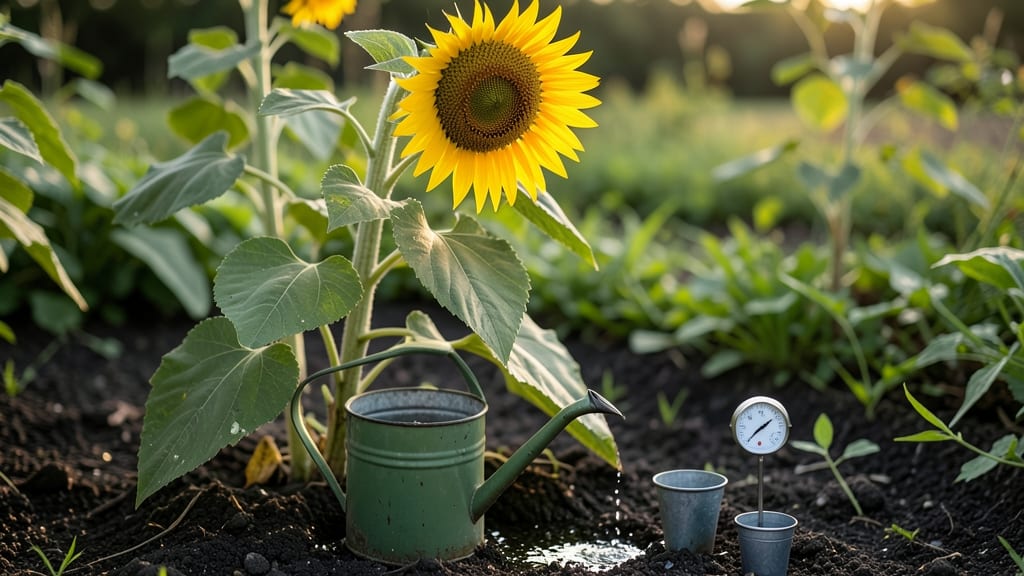
If you’ve ever wondered whether do sunflowers require a lot of water in your garden, you’re not alone—this is one of the biggest mistakes gardeners make when growing these towering beauties.
The truth is, sunflowers are surprisingly drought-tolerant once they’re established, but getting their watering routine right from the start makes all the difference. Too much water, and you risk root rot; too little, and those 6-foot giants will wilt before they even bloom.
Let’s break down exactly how to keep them happy without overdoing it.
From delicate seedlings to mature plants reaching for the sky, their water needs change dramatically. I’ll share the smart schedule that keeps them thriving—whether you’re in a dry climate or a humid one—so you can enjoy those golden blooms all season long.
Ready to stop guessing and start growing? Here’s how to water sunflowers the right way, from the first sprout to harvest time.


Sunflower watering requirements: how much is too much?
Sunflowers might seem like low-maintenance giants, but their water needs vary dramatically throughout their lifecycle. As a gardener who’s nurtured sunflowers from tiny sprouts to towering blooms, I’ve learned that overwatering is just as dangerous as underwatering.
Too much water leads to root rot and fungal diseases, while too little causes stunted growth and wilting—especially during their critical flowering stage.
Contrary to popular belief, sunflowers aren’t water hogs. Once established, they’re surprisingly drought-tolerant, thanks to their deep taproots that reach moisture deep underground. However, young seedlings and flowering plants need consistent moisture to thrive.
The key is understanding when and how much to water based on their growth stage and your local climate.
Soil type also plays a pivotal role. Sandy soils drain quickly, requiring more frequent watering, while clay soils hold moisture longer, reducing evaporation. If your garden has well-draining soil, you’ll water less often than in heavy, compacted soil. Let’s break down the science-backed watering needs to keep your sunflowers healthy and happy.
| Growth Stage | Water Frequency | Depth per Watering | Key Signs of Stress |
|---|---|---|---|
| Seedling (0-4 weeks) | Every 2-3 days | 1-2 inches deep | Wilted leaves, dry soil surface |
| Vegetative (4-8 weeks) | 1-2 times per week | 2-3 inches deep | Yellowing lower leaves, slow growth |
| Flowering (8-12 weeks) | Every 5-7 days | 3-4 inches deep | Drooping flower heads, cracked soil |
| Maturity (12+ weeks) | Every 10-14 days | 4+ inches deep | None (drought-tolerant) |
During the seedling stage, sunflowers need consistent moisture to establish their root systems. I’ve found that watering early in the morning reduces evaporation and gives seedlings a strong start.
If you notice the soil surface drying out within a day or two, it’s time to water again. Overhead watering can weaken young stems, so use a watering can or drip irrigation to deliver moisture directly to the roots.
As sunflowers enter the vegetative growth phase (4-8 weeks), their water needs increase slightly. This is when they’re building their tall stems and leafy foliage. Aim to water deeply 1-2 times per week, ensuring the soil is moist 6-8 inches deep.
A simple test: Stick your finger into the soil—if it feels dry past your first knuckle, it’s time to water. Mulching with straw or wood chips helps retain moisture and keeps roots cool.
The flowering stage (8-12 weeks) is the most critical for watering. Sunflowers need steady moisture to support their heavy blooms and prevent buds from dropping. I’ve seen firsthand how underwatering during this phase leads to smaller, less vibrant flowers.
Water every 5-7 days, delivering 3-4 inches of moisture per session. If your area experiences high temperatures or low humidity, you may need to water more frequently to compensate for increased evaporation.
Once sunflowers reach maturity (12+ weeks), their water needs drop significantly. Their deep taproots allow them to extract moisture from lower soil layers, making them highly drought-tolerant.
At this stage, water every 10-14 days unless your soil is extremely dry or sandy. Overwatering mature sunflowers can lead to root rot, especially in heavy clay soils where drainage is poor. Always check the soil moisture before watering—if it’s still damp, hold off until it dries out slightly.
Environmental factors like climate and soil type can drastically alter your sunflower’s water needs. In hot, dry climates, such as the Southwest U.S., sunflowers may need watering every 3-5 days during peak summer months.
Conversely, in humid or rainy regions, like the Pacific Northwest, you might only need to water every 10-14 days once established. Sandy soils drain quickly, so they require more frequent watering, while clay soils retain moisture longer, reducing the need for irrigation.
To avoid common mistakes, always monitor your sunflowers for signs of water stress. Wilting leaves, yellowing foliage, or drooping flower heads are clear indicators that your plants need more water. On the other hand, mushy stems, yellowing leaves with brown edges
Smart watering schedule for sunflowers: when and how to water
Timing and technique are everything when it comes to watering sunflowers. Unlike thirsty annuals, these plants thrive on a consistent but controlled watering routine—especially during their critical early stages. The key is to water deeply but infrequently, encouraging roots to grow downward where they’ll find moisture naturally.
I’ve learned that morning watering is my secret weapon, as it gives leaves time to dry before evening, reducing fungal risks like powdery mildew.
For seedlings, aim for about 1 inch of water per week, delivered in short, frequent sessions to keep soil moist but not soggy. As they mature, you’ll gradually reduce frequency—think deep watering every 7-10 days for established plants.
This shift prevents shallow roots and floppy stems, which are common when gardeners overcompensate with too much water.
⚠️ callout warning
Do sunflowers require a lot of water? Not at all! Overwatering kills more sunflowers than underwatering. Soggy soil = root rot—check soil moisture by sticking your finger 2 inches deep. If it's damp, wait. If dry, water deeply until moisture reaches 6 inches down. Mulch heavily (3-4 inches) to lock in moisture and keep roots cool.
My go-to method is drip irrigation or soaker hoses, which deliver water directly to the soil without wetting foliage. This cuts down on evaporation and fungal spores that thrive in damp leaves. If you’re using a hose, aim for the base of the plant and water slowly to avoid runoff.
For containers, I’ve found that watering every 3-5 days works best, as potted soil dries out faster than in-ground beds.
Watch for wilting leaves during hot afternoons—that’s normal! But if your sunflower’s leaves turn yellow or the stem feels mushy, you’ve likely overwatered. On the flip side, dry, crispy edges signal thirst.
Adjust your schedule based on these cues, and remember: established sunflowers can handle drought better than they can handle excess moisture. Once they reach 3 feet tall, they’re surprisingly resilient.
Mulching is non-negotiable in my garden. A thick layer of straw or wood chips around the base reduces evaporation by up to 30% and keeps roots consistently moist. I apply mulch right after planting and replenish it as it breaks down.
This simple step has cut my watering time in half while keeping my sunflowers happier and healthier.
Pro tip: Water early in the morning (between 6-10 AM) to maximize absorption and minimize evaporation. Evening watering can lead to fungal issues, and midday watering often just evaporates. Pair this with deep, infrequent watering, and you’ll have sunflowers that grow tall, strong, and disease-free—no guesswork required.