
Flowers
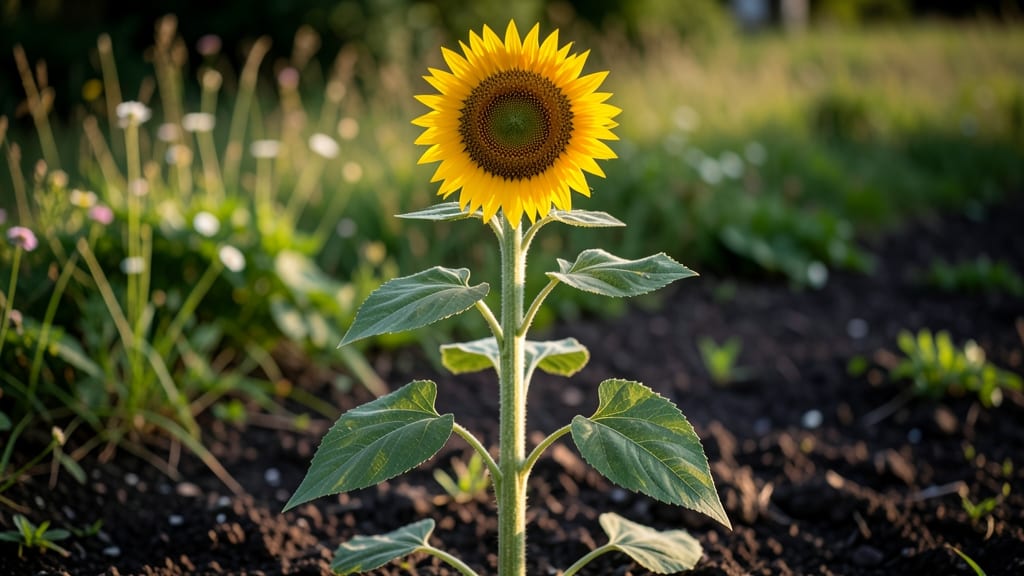
Wondering how long for sunflowers to grow before you’re staring at those iconic golden faces? The answer might surprise you—some varieties bloom in just 6 weeks, while others take nearly 4 months to reach their towering heights.
Whether you’re dreaming of 3-foot dwarf blooms or 12-foot giants, timing everything right (soil warmth, sunlight, and spacing) makes all the difference.
I’ve planted sunflowers for years, and the biggest mistake I see is assuming all varieties grow at the same pace. Dwarf sunflowers like ‘Teddy Bear’ can be ready for cutting in 7-8 weeks, while heirloom giants like ‘Russian Mammoth’ need 10-12 weeks just to open their first buds.
The key? Planting at the right time—after your last frost—and giving them the full sun they crave.
But here’s the real secret: warm soil speeds up germination by days, and proper spacing (6 inches apart) prevents competition that slows growth. Skip these steps, and you might end up waiting weeks longer than you need to.
Let’s break down the exact timeline for each type, so you can plan your garden like a pro—and enjoy those sunflowers faster than ever.
Ready to turn your patch of soil into a sunflower spectacle? I’ll walk you through every stage—from the first green shoot to that showstopping bloom—so you can troubleshoot delays and celebrate those golden milestones with confidence. Let’s get growing!

Sunflower growth timeline: weeks to bloom by popular variety
Sunflowers are one of the fastest-growing plants in the garden, but their timeline to bloom varies wildly by variety. Dwarf sunflowers like 'Teddy Bear' can reach bloom-ready height in just 6-8 weeks, while giant varieties like 'Russian Mammoth' take 10-12 weeks or more to open their first flowers.
Understanding these differences helps you plan your garden for maximum impact—and avoids disappointment when your sunflowers don’t bloom on schedule.
The key to faster growth lies in soil warmth, sunlight exposure, and proper spacing. I’ve found that planting after the last frost (when soil temps hit 50°F+) cuts germination time by nearly half. Meanwhile, crowding seeds slows growth—space them 6 inches apart for optimal airflow and nutrient access.
Let’s dive into the exact timelines for each sunflower type, so you can predict when your garden will be bursting with golden blooms.
Dwarf varieties like 'Teddy Bear' and 'Sunspot' are the fastest sunflowers to bloom, often reaching their full height and opening flowers in just 6-8 weeks. These are perfect for container gardens, patios, or cutting gardens where space is limited.
I’ve used 'Teddy Bear' in window boxes, and they’re ready for harvest by early summer—ideal if you’re impatient for those cheerful faces!
Mid-size varieties such as 'Moulin Rouge' and 'Autumn Beauty' strike a balance, typically blooming in 8-11 weeks. These are my go-to choices for cut flower arrangements because they produce large, long-lasting blooms without requiring the massive space of giant varieties.
Their moderate height (3-6 ft) also makes them easier to manage in home gardens.
Giant sunflowers like 'Russian Giant' and 'Russian Mammoth' are the slowest to mature, often taking 10-12 weeks or longer to bloom. But don’t let the timeline fool you—they’re worth the wait!
These varieties can reach 12-14 feet tall, making them a stunning focal point. The trade-off? They need staking and extra care to support their towering stems.
One common mistake I see is assuming all sunflowers follow the same timeline. Giant varieties need more time because their stems must grow taller and stronger before flowering.
Meanwhile, dwarf sunflowers prioritize quick bloom production over height. Knowing these differences helps you set realistic expectations and plan your garden layout accordingly.
For the fastest results, focus on dwarf or mid-size varieties planted in well-draining soil with full sun. I’ve found that adding a light fertilizer at 6 inches tall can shave off 1-2 weeks from the blo
Factors that speed up or delay sunflower growth (and how to control them)
Sunflowers are famously fast growers, but their speed depends entirely on four key factors: soil temperature, sunlight exposure, watering consistency, and seed quality. I’ve learned the hard way that skipping even one of these can turn a 6-week bloom into a 12-week wait.
For example, planting too early in cold soil can delay germination by weeks, while insufficient sunlight slows stem elongation dramatically.
Let’s start with the most critical factor: soil temperature. Sunflower seeds need soil that’s at least 55°F (13°C) to germinate. If you plant too early—before your last frost date—your seeds may rot in the cold ground.
I once planted mine in April, only to watch them sprout 3 weeks later than expected because the soil was still chilly. Use a soil thermometer to check before planting!
Another common mistake? Overwatering or poor drainage. Sunflowers hate soggy roots, which can cause fungal diseases like damping-off that kill seedlings. I’ve seen entire batches of sunflowers collapse because their containers didn’t have drainage holes. Always plant in well-draining soil or raised beds to keep roots happy.
⚠️ WARNING: These 3 Mistakes Stall Sunflower Growth ⚠️
Sunlight is non-negotiable for sunflowers—they need 6-8+ hours of direct sun daily. If your garden gets less, your plants will grow leggy and weak, delaying blooms by 3-4 weeks. I once grew sunflowers under partial shade, and they took 10 weeks to bloom instead of the usual 7.
For fastest growth, plant in the sunniest spot in your yard, even if it means sacrificing a shady corner.
Finally, seed quality matters more than you’d think. Old or low-quality seeds may germinate poorly, wasting weeks of your time. Always buy seeds from reputable suppliers and store them in a cool, dry place if saving them for next year.
I’ve had 90% germination rates with fresh seeds versus just 50% with seeds older than 2 years.
To maximize speed, combine these factors: plant after last frost in warm, well-draining soil, give them full sun, water deeply but infrequently, and use fresh seeds. Follow these steps, and you’ll see those golden blooms in record time—sometimes even earlier than the variety’s listed timeline! ☀️🌱