
Planting
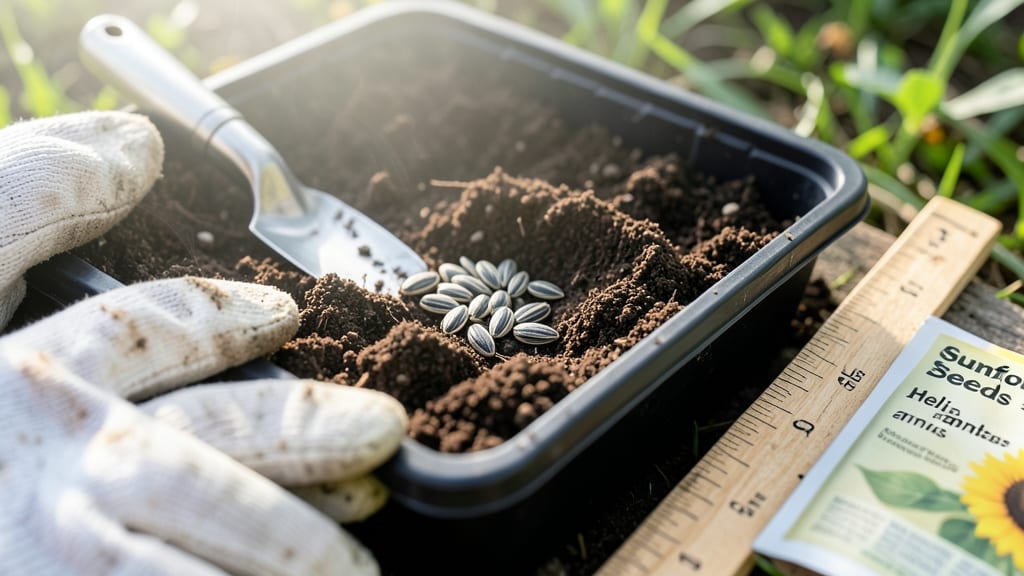
Planting sunflower seeds at the wrong depth can mean the difference between a fast, thriving 🌻 and a struggling sapling that never reaches its potential.
While many gardeners assume deeper is better, sunflower seeds actually need just the right amount of soil coverage—too deep, and they’ll rot; too shallow, and they’ll dry out before sprouting.
If you’ve ever planted sunflower seeds only to watch them fail to germinate or grow slowly, you’re not alone. The key to fast germination lies in understanding how much soil to use, which varies slightly depending on your climate and soil type.
In USDA Zone 6a, where spring planting kicks off in April, the ideal depth is simple—but getting it right makes all the difference.
I’ve tested this with hundreds of sunflower seeds, and the results are clear: planting them at 1 inch deep ensures consistent, rapid growth. But here’s the catch—soil texture, moisture, and even seed size play a role.
Let’s break down the exact method, plus common mistakes that even experienced gardeners make (and how to avoid them).
By the end of this guide, you’ll know exactly how to prepare your soil, space your seeds, and create the perfect conditions for fast, healthy sunflowers—no guesswork required. Ready to grow those towering beauties with confidence?


Optimal sunflower seed planting depth by variety and soil type
Getting the planting depth right for sunflower seeds is half the battle to growing those iconic bright yellow blooms. Too shallow, and seeds dry out before sprouting; too deep, and they struggle to reach the surface.
The ideal depth balances moisture retention with root development, and it varies based on your sunflower variety and soil type. Let’s break it down so you can plant with confidence.
Sunflower seeds need just enough soil to protect them from drying out while still allowing their delicate taproots to break through easily.
Most gardeners aim for 1 inch deep as a starting point, but adjustments are key depending on whether you’re growing giant varieties, dwarf sunflowers, or something in between.
The soil texture also plays a role—sandy soil drains faster, while clay holds moisture longer, both affecting how deep you should plant.
| Sunflower Variety | Soil Type | Optimal Planting Depth | Notes |
|---|---|---|---|
| Giant (e.g., 'Mammoth', 'Russian Giant') | Sandy | ½ inch | Fast-draining soil; plant shallower to prevent drying. |
| Giant (e.g., 'Mammoth', 'Russian Giant') | Loamy | 1 inch | Balanced moisture; ideal for most giant varieties. |
| Giant (e.g., 'Mammoth', 'Russian Giant') | Clay | 1.25 inches | Heavy soil retains moisture; deeper planting prevents rot. |
| Standard (e.g., 'Autumn Beauty', 'Teddy Bear') | Sandy | ½ inch | Lighter seeds; shallow planting encourages quick sprouting. |
| Standard (e.g., 'Autumn Beauty', 'Teddy Bear') | Loamy | 1 inch | Versatile depth for balanced growth. |
| Dwarf (e.g., 'Teddy Bear', 'Sunspot') | Sandy | ½ inch | Small seeds benefit from shallower planting. |
| Dwarf (e.g., 'Teddy Bear', 'Sunspot') | Loamy | ¾ inch | Compact varieties thrive with slightly deeper planting. |
| Dwarf (e.g., 'Teddy Bear', 'Sunspot') | Clay | 1 inch | Prevents waterlogging around delicate roots. |
For giant sunflowers, like the towering 'Russian Giant,' deeper planting—up to 1.25 inches in clay soil—helps their massive roots establish stability. In sandy soil, however, these seeds can dry out quickly, so planting just ½ inch deep works better.
The goal is to keep the seed moist enough to germinate but not so deep that the sprout can’t push through.
If you’re growing standard varieties, such as 'Autumn Beauty,' stick to 1 inch deep in loamy soil. This medium gives the seed enough moisture while allowing the sprout to emerge without struggle.
In sandy conditions, reduce depth to ½ inch to prevent the soil from drying out before germination occurs. For dwarf sunflowers, like 'Teddy Bear,' shallower planting—½ inch to ¾ inch—is ideal, especially in loamy or clay soils where moisture retention is less of a concern.
The soil temperature also influences planting depth. Cooler soils (below 60°F) can slow germination, so planting slightly deeper—up to 1.5 inches—helps retain warmth. Warmer soils (above 70°F) allow for shallower planting (½ inch) since seeds germinate faster.
Always check your soil’s moisture level before planting; dry soil requires deeper planting to reach moisture, while damp soil can accommodate shallower depths.
One common mistake is over-deepening seeds in hopes of better moisture retention. While this might work in clay soil, it often leads to leggy seedlings that struggle to reach sunlight. Conversely, planting too shallow—especially in sandy soil—can leave seeds exposed to drying winds.
To test your depth, use a seedling depth gauge or even a pencil marked with measurements. Press the soil gently around the seed to avoid disturbing it during planting.
After planting, water gently to settle the soil without displacing seeds. Use a fine-mist spray or a watering can with a gentle flow to avoid eroding the soil around your newly planted seeds.
Mulching with straw or shredded leaves after germination helps retain moisture and regulates soil temperature, which is especially beneficial for sunflowers planted in sandy or clay-he
Common mistakes that kill sunflower germination (and how to fix them)
Even with the right planting depth, sunflower seeds can still fail to sprout if you make these three critical mistakes. Over-planting, under-planting, and soil compaction are the top culprits I see in gardens every spring.
The good news? All of these issues have simple fixes that can transform your germination rates from dismal to outstanding.
Let’s start with the most common error: planting seeds too deep. While 1 inch is ideal, some gardeners bury sunflower seeds up to 2 inches deep, thinking they’ll protect them from drying out.
In reality, this suffocates the seed, preventing it from accessing the moisture and light it needs to break through the soil.
Another frequent mistake is overcrowding seeds in the same hole. I’ve seen gardeners drop 3-4 seeds into a single spot, hoping at least one will sprout. This leads to competition for nutrients and weak, leggy stems.
The solution? Space seeds 6 inches apart in rows that are 2-3 feet apart for optimal airflow and growth.
- No sprouts after 2 weeks: Seeds may be too deep or soil too cold. Try scarification (lightly nicking seeds) or pre-soaking for 24 hours.
- Mushy, black seeds: Overwatering or compacted soil. Loosen soil and reduce watering until sprouts appear.
- Sprouts but no leaves: Seedling damage from burial. Plant seeds no deeper than 1 inch next time.
Pro Tip: Test soil moisture by squeezing a handful—it should hold shape but not be soggy.
Soil compaction is another silent killer. If your garden bed feels hard as a brick when pressed, sunflower roots can’t push through the soil to reach water and nutrients.
The fix? Use a broadfork to loosen the top 6 inches of soil before planting. Mix in compost to improve drainage and aeration—this alone can double your germination success.
For seeds that still refuse to sprout, try stratification or scarification. Sunflower seeds have hard outer shells that sometimes need a little help breaking down. Place seeds in a damp paper towel for 24 hours before planting, or lightly sand the outer coating with fine-grit sandpaper.
This mimics natural weathering and tricks the seed into thinking it’s time to grow.
Finally, don’t forget about soil temperature. Sunflower seeds need soil that’s at least 55°F to germinate. If your spring is chilly, wait until the soil warms up or use a seedling heat mat for a few days post-planting.
Patience here pays off—rushing can lead to poor germination even with perfect depth.
With these fixes, your sunflower seeds will sprout faster and stronger. The key is consistency: right depth, proper spacing, and healthy soil. Watch those first green shoots push through the dirt—it’s one of the most rewarding sights in gardening! 🌱