
Companion Plants
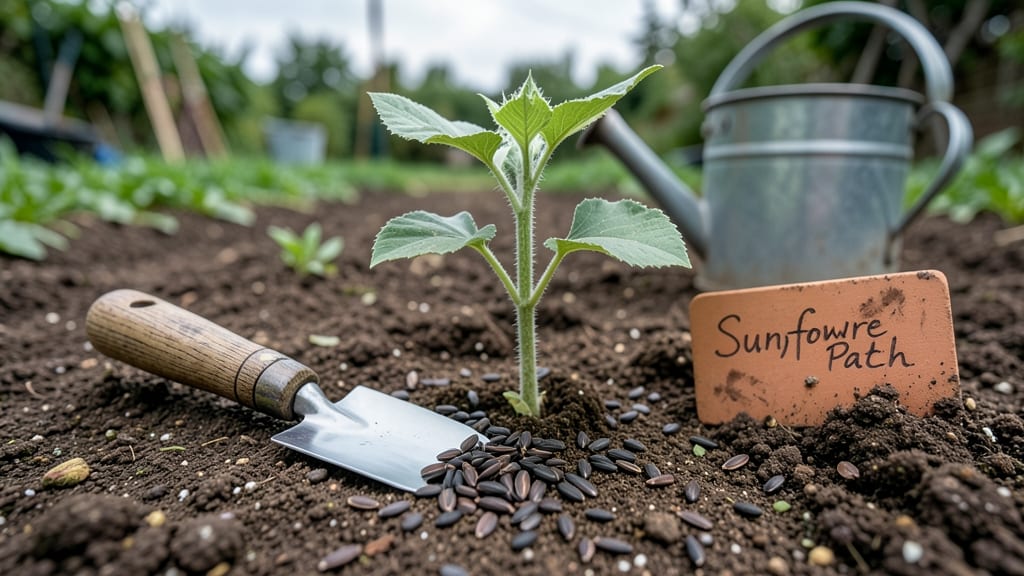
Planting sunflower seeds in Ohio at the wrong time can mean waiting months for those towering 🌻 blooms—or worse, watching them bolt in the heat before reaching their full potential.
The key to success lies in understanding your Zone 6a climate, where frost dates shift yearly and soil temperatures play a critical role in germination.
Most Ohio gardeners assume late spring is the only window, but summer plantings can actually yield bigger, hardier sunflowers before the first frost.
I’ll break down the exact frost-free deadlines for your area, plus how to time your seeds for maximum height and resilience—whether you’re growing 10-foot giants or compact varieties for small spaces.
You’ll also discover how to prep your soil for Ohio’s clay-heavy conditions, the ideal planting depth (1 inch for most varieties), and when to start seeds indoors if you’re eager to beat the late April frost.
Let’s turn your sunflower dreams into a reliable, rewarding harvest from July through September.
From choosing the right variety for your yard to avoiding common pitfalls like overwatering or poor spacing, this guide gives you the Ohio-specific know-how to grow sunflowers that’ll have your neighbors asking for tips. Ready to plant with confidence?
Ohio Zone 5b sunflower planting deadlines: frost dates and soil temps
Ohio’s Zone 5b climate means sunflower seeds must be planted at the perfect moment—too early and frost will kill tender sprouts, too late and your blooms may miss summer’s peak.
The average last frost date in Ohio typically falls between April 15–May 1, but this can shift by 1–2 weeks depending on your specific location.
For example, northern Ohio (like Toledo) often sees frost until May 10, while southern Ohio (like Cincinnati) may be frost-free by April 20.
Sunflower seeds germinate best when soil temperatures reach 55–60°F. In Ohio, this usually aligns with late April to early May, but always double-check with a soil thermometer. Cold, wet soil can delay germination by 2–3 weeks, so patience is key if you plant early.
I’ve found that waiting until the soil warms to 60°F guarantees faster, more reliable sprouting in my Ohio garden.
Here’s the critical window for planting sunflower seeds in Ohio’s Zone 5b:
| Planting Window | Soil Temp | Last Frost Risk | Notes |
|---|---|---|---|
| Late April | 50–55°F | High (northern OH) | Use row covers for protection. |
| Early May | 55–60°F | Low | Ideal for most of Ohio. |
| Mid-May | 60–65°F | None | Best for late bloomers. |
| Late June | 65–70°F | N/A | Summer planting for fall blooms. |
While spring planting (April–May) is the most common approach, don’t overlook the benefits of a summer planting window. Sowing seeds in late June can yield sunflowers that bloom in late summer or early fall, extending your garden’s color palette.
This works especially well for dwarf varieties like ‘Teddy Bear,’ which mature faster and thrive in warmer soil.
Ohio’s clay-heavy soil can slow down germination, so I always recommend amending planting beds with compost or aged manure before sowing. This improves drainage and helps soil warm up faster. For direct sowing, plant seeds 1 inch deep and space them 6–12 inches apart, depending on the variety.
Thinning seedlings to 18–24 inches apart gives mature plants the room they need to reach their full height.
If you’re eager to start early, consider starter plants from local nurseries. Transplanting young sunflowers (with 3–4 true leaves) after the last frost can shave 2–3 weeks off your growing season. Just be sure to harden off seedlings for 5–7 days before moving them outdoors to avoid transplant shock.
Monitor your garden’s microclimate—areas near buildings or fences may warm up 1–2 weeks earlier than open fields. I’ve noticed my south-facing garden beds hit 55°F soil temps nearly a week before my north-facing beds. Use this to your advantage by planting early in warmer microclimates.
For reliable frost dates, consult the Old Farmer’s Almanac or your local Cooperative Extension Service. These resources provide hyperlocal frost predictions that can vary by 5–10 days even within the same county.
In my experience, Cincinnati’s frost dates are often 10 days earlier than those in Toledo, so adjust accordingly.
Once your sunflowers are in the ground, maintain consistent moisture—especially during Ohio’s hot, dry summers. Mulching with straw or wood chips helps retain soil moisture and keeps roots cool.
With the right timing and care, your Ohio sunflowers will reward you with vibrant blooms that attract pollinators and add height to your garden beds.
Best sunflower varieties for Ohio’s Zone 5b: tall vs. dwarf options
Ohio’s Zone 5b climate offers perfect conditions for sunflowers, but choosing the right variety ensures success.
Whether you want 10-foot giants for dramatic impact or compact dwarf varieties for small spaces, Ohio’s summer heat and humidity favor sunflowers that thrive in full sun (6+ hours daily) and tolerate moderate drought once established.
For Ohio gardeners, I recommend prioritizing varieties with disease resistance to powdery mildew—a common issue in Ohio’s humid summers. Look for hybrids like ‘Moulin Rouge’ or ‘Autumn Beauty,’ which boast vibrant colors and sturdy stems that hold up in windy conditions.
These varieties also bloom July through September, extending your garden’s seasonal interest.
| Variety | Type | Height | Bloom Time | Disease Resistance | Best For |
|---|---|---|---|---|---|
| ‘Mammoth Russian’ | Giant | 10–14 ft | July–August | Moderate | Cut flowers, pollinators |
| ‘Autumn Beauty’ | Standard | 5–7 ft | August–September | High | Pollinators, late-season color |
| ‘Teddy Bear’ | Dwarf | 2–3 ft | July–August | Very High | Containers, small gardens |
| ‘ProCut’ Series | Standard | 6–8 ft | July–August | High | Cut flowers, bouquets |
| ‘Moulin Rouge’ | Standard | 5–7 ft | July–September | Very High | Disease-prone areas |
If you’re aiming for tall sunflowers, ‘Mammoth Russian’ is my top pick for Ohio gardens. These 10–14-foot giants thrive in Ohio’s climate and produce edible seeds perfect for roasting. However, they require staking or heavy mulch to prevent toppling in Ohio’s summer storms.
For a mid-height option, ‘Autumn Beauty’ offers multi-colored blooms that attract bees and butterflies, plus excellent disease resistance.
Dwarf varieties like ‘Teddy Bear’ are ideal for small spaces or container gardening. They bloom earlier (July–August) and tolerate Ohio’s hot, humid summers better than taller varieties. I’ve grown ‘Teddy Bear’ in 5-gallon pots on my patio with great success—just ensure they get full sun and well-draining soil.
For pollinator-friendly gardens, prioritize varieties like ‘Autumn Beauty’ or ‘ProCut,’ which bloom July through September—aligning perfectly with Ohio’s peak pollinator season. These varieties also support local ecosystems by providing nectar for bees and butterflies during late summer when other flowers fade.
Ohio’s clay-heavy soil can stress sunflowers, so amend planting beds with compost or sand to improve drainage. For all varieties, maintain 18–24 inches of spacing between plants to prevent powdery mildew and ensure proper airflow.
In my Ohio garden, I’ve found that mulching with straw helps retain moisture and keeps roots cool during 90°F+ days.
Pro tip: If you’re growing sunflowers for cut flowers, harvest stems when 10–15% of petals open to maximize vase life. For seed production, leave some blooms on the plant until they fully mature and turn brown—this ensures a steady supply of seeds for next year’s garden.