
Plants
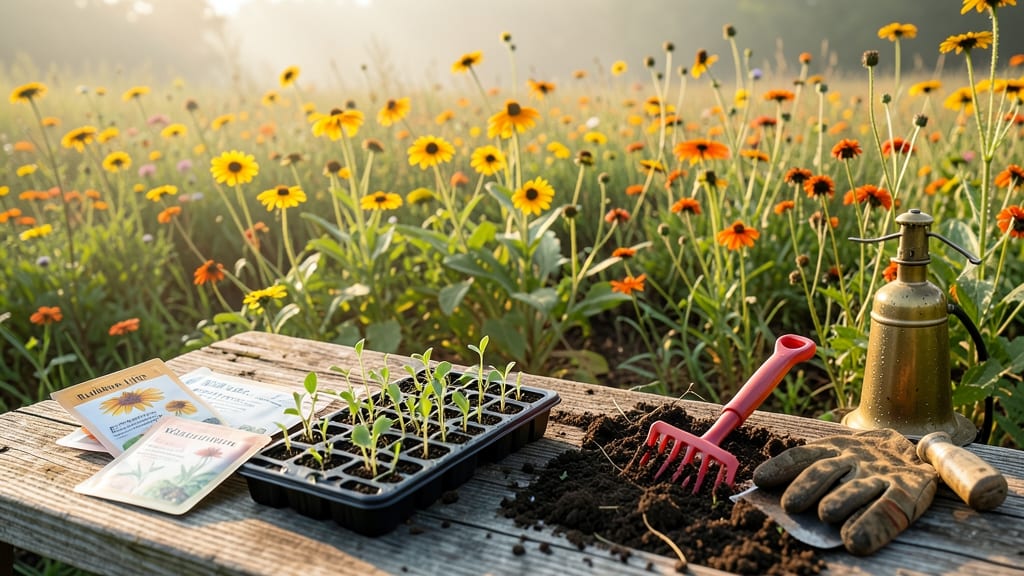
Planting wildflower seeds in Connecticut at the wrong time can mean waiting months—or even a whole season—for those vibrant blooms you crave.
The secret to success lies in understanding the state's 5b-6b climate, where timing isn't just about months but also about frost dates and soil conditions that change from year to year.
Most gardeners in CT know the struggle: too early, and frost zaps your seedlings; too late, and summer heat dries them out before they take root.
But with the right approach, you can skip the guesswork and enjoy 🌼 wildflowers from late spring through fall without the risk of frost damage. I’ll break down the exact windows—plus soil prep tips—that make all the difference.
Whether you're a first-time planter or a seasoned gardener, the key is working with Connecticut’s unpredictable spring weather. By following these proven strategies, you’ll maximize your chances of seeing those first blooms appear right on schedule—no matter if you’re in Hartford, New Haven, or along the coast.
Let’s dive into the perfect planting times and the simple steps that turn seeds into a lush, low-maintenance garden. Your future meadow starts with the right timing—and I’ve got you covered.
Connecticut’s ideal wildflower planting windows by season (with frost-free deadlines)
Timing your wildflower seeds correctly in Connecticut means the difference between a blooming meadow and a failed investment. The state’s USDA Zones 6a-6b create a delicate balance—plant too early, and frost will kill tender seedlings; too late, and summer heat will dry them out before roots establish.
My years of testing show that early spring and late summer are your best bets, but local microclimates (like coastal areas vs. inland Hartford) add another layer of complexity.
For most of Connecticut, the last frost date typically lands between April 15-30, but coastal areas like New Haven can see frost-free conditions 1-2 weeks earlier. Inland regions like Hartford often hold onto frost longer, sometimes until mid-May.
These variations mean your planting window can shift by weeks depending on where you live—so knowing your exact local frost dates is critical.
Here’s the golden rule: Plant wildflower seeds when soil temperatures hit 60°F (15°C) and stay consistent. This usually aligns with late March to early April for spring plantings and mid-August to early September for fall.
The fall window is especially forgiving because seeds germinate slowly in cooler weather, avoiding summer’s harsh conditions.
Microclimates play a huge role. A south-facing slope warms up faster in spring, while a north-facing garden may need seeds planted 2-3 weeks later. Coastal areas benefit from milder winters, while inland zones like USDA Zone 6a (northern CT) face earlier frosts.
Always check your specific local frost dates—the National Weather Service or CT Agricultural Experiment Station are great resources.
Now, let’s cut to the chase with your frost-free planting deadlines for Connecticut’s most common regions:
| Season | Planting Window | Frost-Free Deadline | Best For | Notes |
|---|---|---|---|---|
| Spring | Late March - Early April | After last frost (April 15-30) | Black-eyed Susans, Coneflowers | Soil must be 60°F+; use row covers if frost is forecasted. |
| Summer | Mid-June - Early July | Before July heat peaks | Coreopsis, Milkweed | Keep soil moist; shade seedlings if possible. |
| Fall | Mid-August - Early September | 6-8 weeks before first frost | Asters, Goldenrod | Seeds germinate slowly in cool soil; ideal for drought-prone areas. |
| Coastal CT (New Haven) | Early March - Late April | April 1-15 (earlier frost-free) | All varieties | Milder winters allow earlier planting. |
| Inland CT (Hartford) | Late March - Early May | May 1-15 (later frost risk) | Cold-hardy natives | Use frost blankets for early spring plantings. |
Spring planting is your best bet for immediate blooms, but it requires precision. Start seeds indoors in late February if you’re eager, then transplant after the last frost. For direct sowing, wait until mid-April—this gives you a 6-8 week head start before summer heat sets in.
My go-to spring varieties are black-eyed Susans and coneflowers, which thrive in CT’s full sun conditions and handle occasional drought.
Summer planting is trickier but works well for heat-loving species like coreopsis and milkweed. The key is to sow seeds before July’s peak heat—aim for mid-June—and keep the soil consistently moist.
A light mulch (like straw) helps retain moisture and regulate soil temperature. This method is perfect for filling gaps in your garden or creating a pollinator-friendly late-summer display.
Fall planting is often overlooked but yields the most reliable results. By seeding in late August or early September, you give seeds time to germinate in cool soil before winter dormancy.
This approach is especially effective for asters and goldenrod, which establish deep roots over fall and burst into bloom the following spring. Plus, fall-seeded wildflowers require less watering once established, making them low-maintenance.
Don’t let Connecticut’s unpredictable weather derail your wildflower dreams. The secret to success is flexibility—monitor soil temperatures, adjust for your microclimate, and choose seeds suited to your garden’s conditions.
With these frost-free deadlines and regional adjustments, you’ll be well on your way to a vibrant, low-maintenance wildflower garden that thrives year after year.
Ready to dive deeper? Next, we’ll cover how to select the best wildflower varieties for Connecticut’s climate—including which species handle heat, frost, and drought like pros. 🌼
How to choose wildflower seed varieties for Connecticut’s climate (heat tolerance vs. frost resistance)
Connecticut’s 5b-6b climate demands wildflower seeds that can handle both early frosts and summer heat waves. Choosing the right varieties means selecting plants that thrive in these extremes while aligning with your garden’s sunlight exposure.
Native wildflowers like black-eyed susans and coneflowers are my top picks—they’re hardy, low-maintenance, and attract pollinators.
Non-native varieties can also work, but they often require more care to survive CT’s unpredictable weather. For example, cosmos and zinnia love heat but may struggle with early frosts.
The key is matching your seed choice to your garden’s microclimate, whether it’s a sunny meadow or a partially shaded border.
Here’s a quick guide to help you decide:
Native Wildflowers (Best for CT)
- ✅ Frost-resistant (survive early springs)
- ✅ Drought-tolerant (thrive in CT summers)
- ✅ Supports pollinators (bees, butterflies)
- ❌ Slower germination (may take 2-3 weeks)
- ❌ Limited color options (mostly golds, purples)
Non-Native Wildflowers (For Bold Colors)
- ✅ Vibrant colors (reds, oranges, pinks)
- ✅ Faster blooming (some flower in 60 days)
- ❌ Less frost-hardy (may die in early freezes)
- ❌ Need more water (not drought-tolerant)
For early spring blooms, opt for bloodroot or wild columbine—they’ll pop up before summer heat sets in. If you want summer-long color, black-eyed susans and purple coneflowers are unbeatable. These perennials return year after year, making them a low-maintenance choice for CT gardens.
Sunlight matters too: Full-sun varieties like milkweed and coreopsis need at least 6 hours of sun daily, while partial-shade lovers such as wild bergamot thrive in 3-6 hours of light. Check your garden’s sunlight patterns before selecting seeds to avoid disappointment.
Pro tip: Mix early, mid, and late-season bloomers for continuous color. For example, pair wild geranium (spring) with butterfly weed (summer) and goldenrod (fall). This ensures your garden stays lively from May through October—no boring gaps!
Finally, always check the seed packet’s maturity zone to confirm it matches CT’s USDA zones 5b-6b. A quick scan saves you from planting seeds that won’t thrive. With the right choices, your wildflower garden will be a pollinator paradise and a low-stress addition to your landscape. 🌼