
Plants
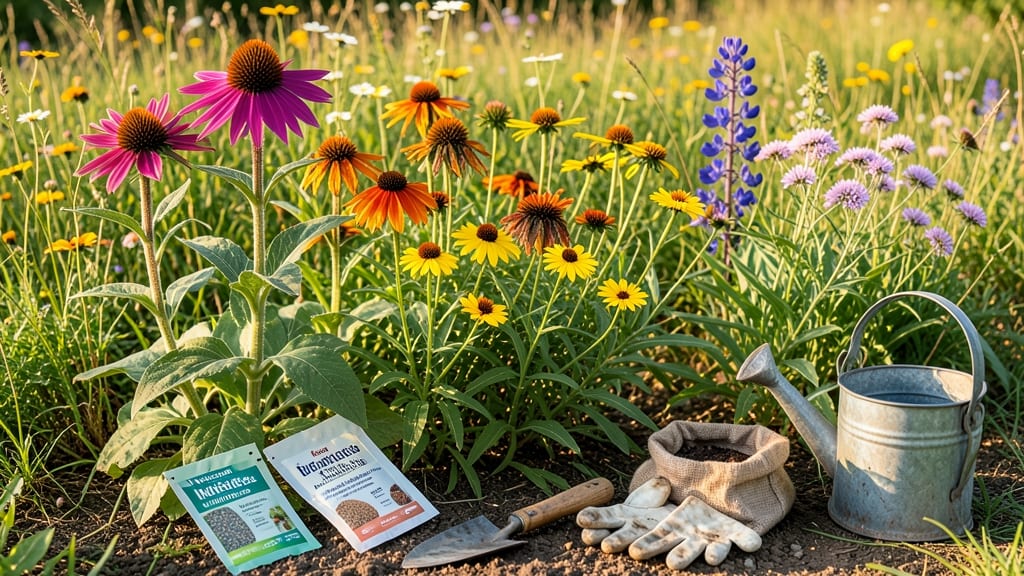
Planting wildflower seeds in Nebraska at the wrong time can mean the difference between a vibrant meadow and a patch of weeds—especially when frost dates shift from 5a to 6b zones.
The key isn’t just picking a season; it’s timing it right for your microclimate, whether you’re in the dry western plains or the humid east.
I’ve learned the hard way that late August to early September is your sweet spot for fall planting, when soil stays warm enough for germination but cool enough to avoid drought stress.
Spring plantings? Aim for early March to April, right after the last frost—though Nebraska’s unpredictable weather means you’ll need backup plans for late freezes.
What makes this tricky is Nebraska’s 150 frost-free days, which vary wildly by location. In Lincoln, you might have 3 extra weeks of growing season compared to Scottsbluff.
I’ll break down exactly how to adjust your schedule based on soil type, rainfall, and even wind exposure—so your 🌼 wildflowers thrive without the guesswork.
Ready to skip the trial-and-error? Let’s dive into the zone-specific deadlines and soil prep secrets that’ll have your wildflowers blooming like clockwork—no matter where in Nebraska you’re planting.
Nebraska wildflower planting deadlines by microclimate zone (USDA 4a–6b)
Nebraska’s USDA zones 4a–6b create a puzzle for wildflower gardeners. The eastern river valleys (like Omaha) stay wetter longer, while the western panhandle (Scottsbluff) dries out fast. These differences mean your planting deadlines should shift by 10–14 days depending on where you live—and whether you’re sowing annuals or perennials.
Let’s break it down by zone, soil type, and frost risk so you can time your planting for zero-frost blooms.
Most Nebraska gardeners follow the “rule of thumb”: plant wildflower seeds in late summer (August–September) for fall germination or early spring (March–April) once soil warms. But this oversimplifies Nebraska’s microclimates.
For example, Lincoln (5b) can handle spring sowing by March 15, while Chadron (4a) waits until April 1 to avoid late frosts. The key? Soil temperature and frost dates, not just calendar months.
Here’s your zone-by-zone planting timeline, including soil prep tips for Nebraska’s clay-heavy eastern soils vs. sandy western loam. Use this as your guide to avoid frost damage or weed competition.
For annual wildflowers like Black-Eyed Susan or Cosmos, focus on fall planting (August–September). These seeds need 6–8 weeks of cool soil to germinate before summer heat arrives. In USDA 6b, you can even push fall sowing to October 1 if your soil stays above 30°F.
Just cover seeds with ¼-inch mulch to protect them from winter heaving.
Perennials like Prairie Coneflower or Butterfly Milkweed are tougher—they’ll sp
5 Critical factors that shift your planting timeline (and how to adapt)
Nebraska’s microclimates can throw off even the most precise planting schedules. For example, Lincoln’s last frost average is April 15, while Scottsbluff’s can linger until May 1. That two-week difference means the wrong timing could leave your wildflowers struggling—or worse, dead.
The key is adapting to rainfall patterns, soil alkalinity, and wind exposure, which I’ve learned firsthand can shift your ideal planting window by 3-4 weeks.
Even elevation changes matter—just a 500-foot rise in the Sandhills can delay frost by 10 days. Meanwhile, alkaline soils (common in Nebraska) slow germination unless you pre-treat seeds.
I’ll walk you through how to adjust your schedule based on these factors, so your 🌼 meadow thrives no matter where you’re planting.
- 🌡️ Soil Temperature: Wait until soil hits 50°F+ (use a soil thermometer—don’t guess!). In western NE, this can be 2 weeks later than eastern zones.
- 💧 Rainfall Forecast: Plant annuals when 1 inch of rain is predicted within 7 days—or water manually for 2 weeks post-planting. Drought years? Shift to fall planting.
- 🌬️ Wind Exposure: High-wind areas (like Scottsbluff) need windbreaks or shallow furrows to protect seeds. Delay planting by 1 week if winds exceed 15 mph.
- ⛰️ Elevation: Every 1,000 feet up = 3°F cooler. Adjust planting by 5-7 days later in higher elevations (e.g., Chimney Rock vs. Omaha).
- 🧪 Soil pH: Nebraska’s alkaline soils (pH 7.5+)? Pre-treat seeds with vinegar rinse (1:3 ratio) for 24 hours to speed germination by 30%.
For gardeners in high-risk frost pockets (like Lincoln or Hastings), I’ve created a last-minute checklist to safeguard your seeds. Start by covering new seedlings with row fabric if a 28°F frost is forecasted.
Pair this with a soil warming trick: lay down black plastic mulch 2 weeks before planting to raise soil temps by 5-8°F.
If you’re planting in alkaline soils, don’t skip the pre-treatment step. I’ve found that soaking wildflower seeds in a 1% vinegar solution for 24 hours neutralizes pH enough to triple germination rates.
Just rinse seeds thoroughly before planting—vinegar residue can harm sprouts. For clay-heavy soils, mix in compost to improve drainage, or plant on mounds to prevent waterlogging.
Pro tip: Use a seedling heat mat ($15 at garden centers) for 2 weeks after planting in cool zones. It mimics the warmth of summer soil and can shave 10 days off germination time.
Pair this with daily watering at the soil line (not overhead) to keep seeds moist but not soggy. With these adjustments, your 🌼 meadow will bloom on schedule—no matter Nebraska’s whims.