
Plants
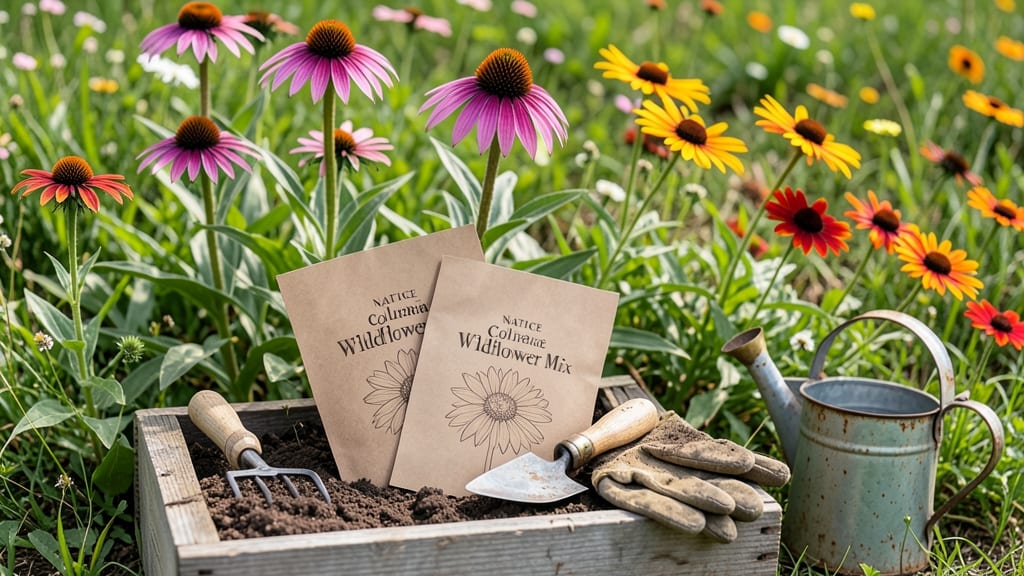
Planting wildflower seeds in Colorado at the wrong time means waiting months for those vibrant blooms—or worse, watching them fail before they even sprout.
The key to success lies in understanding how elevation and frost dates create two distinct planting windows, each offering a different path to a meadow bursting with 🌼 color.
Whether you're in Denver's Front Range or the high country near Aspen, timing matters more than you might think. Too early, and frost will nip your seedlings in the bud; too late, and summer heat can dry them out before they take root.
I've tested both spring and fall plantings across Colorado's USDA Zones 4-7, and the results will surprise you.
In this guide, I'll break down exactly when to plant—from late winter for early blooms to late summer for fall displays—and how to prep your soil for maximum germination.
You'll also discover the top 5 cold-hardy wildflowers that thrive through Colorado's first frosts, ensuring your garden stays lively even when temperatures drop.
Ready to transform your yard into a pollinator paradise? Let's dive into the strategies that actually work, so you can enjoy wildflowers blooming from spring through fall—no matter where in Colorado you live.
Best planting months for wildflowers in Colorado by elevation zone
Colorado’s dramatic elevation changes—from Front Range valleys at 5,000 feet to mountain peaks above 10,000 feet—mean wildflower planting windows vary wildly. Getting the timing right ensures your seeds germinate before first frosts or after spring thaws, guaranteeing those dreamy meadows of color.
I’ve planted wildflowers across all three zones and learned the hard way: high-altitude seeds need a different approach than those in Denver’s urban heat islands.
Most gardeners focus on spring planting (March-April), but fall (August-September) often works better in drier regions. The key? Match your planting to your elevation zone and local frost dates.
Below, I’ve broken down the best months for each zone, including my top tips for frost-free blooms—even in Colorado’s unpredictable climate.
Why timing matters: Wildflower seeds need consistent moisture to germinate, but too much water before cold snaps can rot them. Planting at the right time means seeds establish roots before freeze-thaw cycles or summer drought stress. For example, yarrow and blanket flower thrive when sown 4-6 weeks before your average first frost.
| Elevation Zone | Best Planting Window | Frost-Free Bloom Guarantee | Key Varieties | Soil Prep Tip |
|---|---|---|---|---|
| Front Range (5,000–7,500 ft) | March 15–April 15 (spring) or August 15–September 15 (fall) | May–July blooms (spring) or August–October (fall) | Blanket flower, coneflower, yarrow, penstemon | Loosen soil to 2" depth; add compost |
| Western Slope (6,000–8,500 ft) | April 1–May 1 (spring) or September 1–15 (fall) | June–August (spring) or September–November (fall) | Indian paintbrush, lupine, goldenrod, columbine | Rake away rocks; use mulch to retain moisture |
| Mountain Regions (8,500+ ft) | May 15–June 15 (spring only) | July–September (short season) | Alpine aster, mountain bluebell, arctic willow | Plant on south-facing slopes; avoid compacted soil |
For the Front Range (Denver, Boulder, Fort Collins), I recommend spring planting in late March when soil temperatures hit 45°F. This gives seeds time to germinate before late-April frosts.
Fall planting works too—sow in mid-August so seeds establish before first frosts in October. Pro tip: Use a seed blanket to protect tiny seedlings from late-season chills.
In the Western Slope (Grand Junction, Durango), where summers are hotter and drier, fall planting in early September is ideal. Seeds germinate with autumn rains, then lie dormant through winter to bloom in June-July.
Avoid spring planting here—seeds often dry out before germinating. I’ve had success with lupine mixes that self-seed reliably in these conditions.
At high elevations (above 9,000 ft), the window is narrow: plant only in May-June after snowmelt. These zones have shorter growing seasons, so choose fast-germinating varieties like alpine aster.
Test soil moisture—if it’s still icy, wait. I once lost a batch of seeds because I planted too early in Keystone; the ground was frozen beneath the surface.
To maximize blooms, stratify seeds if planting in fall. Cold-moist stratification mimics winter conditions, breaking seed dormancy. For most Colorado wildflowers, soak seeds in water for 24 hours, then refrigerate in a damp paper towel for 2–4 weeks.
This trick works especially well for penstemon and columbine, which are notoriously slow to germinate.
After planting, water deeply but infrequently—wildflowers hate soggy soil. Aim for 1 inch of water per week during germination. Once established, they’re drought-tolerant, but young seedlings need consistent moisture. In high-desert areas, I use drip irrigation on a timer to avoid overwatering.
For frost-free blooms, time your planting to avoid late-season frosts. In the Front Range, aim for May 1 planting if you want summer color. In mountain regions, even late June plantings may not bloom until August-September.
Always check your local USDA Plant Hardiness Zone—Colorado spans Zones 4–7, and zones 6–7 get the longest bloom seasons.
My final tip: Mulch lightly after planting to retain moisture and regulate soil temperature. Use straw or wood chips—never thick layers, which can smother seeds. In windy areas, add a wire mesh to prevent erosion until seedlings are 2 inches tall.
With the right timing, your Colorado wildflowers will reward you with vibrant blooms that last from spring to fall.
How Colorado’s microclimates affect wildflower seed germination success
Colorado’s dramatic elevation shifts—from 5,000 feet in Denver to over 10,000 feet in the Rockies—create wildly different conditions for wildflower seeds. At lower elevations, seeds need soil temperatures above 50°F to sprout, while high-altitude varieties often require cooler 40-45°F conditions.
This mismatch explains why seeds planted in March at 6,000 feet might fail where they’d thrive at 8,000 feet in August.
Moisture retention becomes another battleground. The arid Front Range demands mulch or straw cover to prevent seeds from drying out, while mountain meadows may need well-draining soil to avoid waterlogging during spring thaws. I’ve seen seeds sprout within 7-14 days in ideal conditions—but wait 30+ days in rocky, high-elevation soils.
Choosing the right seed varieties is just as critical. Blanket flower and yarrow handle Colorado’s heat, while columbine and lupine prefer cooler, moister mountain climates. Even within the same species, seeds from elevation-specific sources (like those labeled "high country" or "plains") will outperform generic mixes.
🌱 Critical Factors for Colorado Wildflower Germination
- Soil Temp Threshold: 40-50°F (varies by elevation—lower for mountains, higher for plains)
- Moisture Strategy: Mulch in dry areas, avoid waterlogging in mountains—use 1/4" seed cover max
- Elevation Match: High-country seeds for 7,000+ ft, plains mixes for 5,000-6,500 ft
- Timing Hack: Fall planting (Aug-Sept) beats spring for high-altitude—seeds overwinter safely
- Sunlight Rule: 6+ hours sun for most, but mountain species tolerate partial shade
Don’t assume all wildflower seeds are created equal. Commercially blended mixes often include species that struggle in Colorado’s extremes. For example, black-eyed Susan thrives in USDA Zone 5 (Denver area) but may flop above 8,000 feet.
I recommend sourcing seeds from Colorado-specific suppliers like High Country Gardens or Native American Seed, which test varieties for local conditions.
One of my biggest mistakes? Planting spring-blooming seeds too early in Denver. The March thaw caused seeds to sprout, only to be fried by April heatwaves. The fix?
Wait until mid-April when soil temps stabilize at 55°F+. For high country, late July to August planting lets seeds germinate before first frosts in September.
Even the best seeds fail without proper post-planting care. After sowing, keep soil consistently moist (not soggy) for the first 3-4 weeks. In dry years, I’ve used drip irrigation on new plantings to ensure survival.
Once established, most Colorado wildflowers become drought-tolerant, but that resilience starts with the right germination conditions.
Pro tip: Mark your planting dates and track first blooms. In my 7,500-foot garden, penstemon planted in late August bloomed by June—a full month earlier than spring-sown seeds. That’s the power of matching microclimates to planting windows.