
Flowers
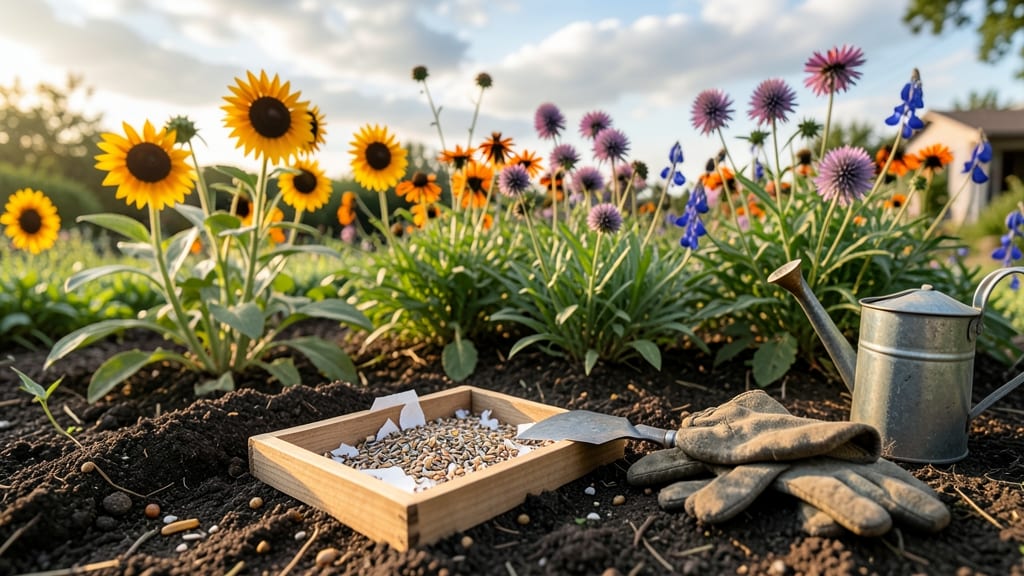
Planting wildflowers at the wrong time in Zone 6 can turn your dream meadow into a patchy disappointment—but get the timing right, and you’ll unlock a riot of color from spring to fall. The secret lies in understanding your last frost date and how seasonal shifts affect seed germination.
In Zone 6 (General), where frosts typically linger until mid-April, early spring and fall are your two best windows for success. While many gardeners focus on spring planting, fall offers cooler soils and fewer weeds, giving seeds a head start.
But timing isn’t one-size-fits-all—local microclimates can shift your ideal weeks by 2-3 weeks.
Whether you’re a beginner or a seasoned gardener, mastering these planting windows will transform your garden. I’ll break down the exact weeks before last frost for annuals, perennials, and native mixes, plus how to adjust for early or late frosts using free tools.
Let’s make sure your wildflowers 🌼 thrive from the first bloom.
Ready to skip the guesswork? You’ll learn how to calculate your precise planting schedule, avoid common mistakes, and even extend your window with simple tricks. The best blooms start with the right timing—and I’ve got you covered.
Zone 6 wildflower planting timeline: exact weeks before last frost by seed type
Getting your wildflower planting timing right in Zone 6 ensures vibrant blooms from spring to fall.
The last frost date (typically March 15–April 15) is your anchor, but seed types—annuals, perennials, and native mixes—each have unique windows. Fall planting also works for many varieties, offering a second chance to establish roots before winter.
Regional differences within Zone 6 matter too. Cities like Chicago (Zone 6a) average later frosts than Pittsburgh (Zone 6b), so adjust your schedule accordingly. Native wildflowers like black-eyed Susans and coneflowers thrive with precise timing, while annuals like cosmos are more forgiving.
Here’s your Zone 6 wildflower planting timeline broken down by seed type, with exact weeks before last frost and regional adjustments:
For spring planting, aim to sow annual wildflowers 4–6 weeks before your last frost date. This gives seeds time to germinate and establish roots before summer heat. Perennials and native mixes also thrive with this window, but avoid planting too early—cold, wet soil can cause seed rot.
Fall planting is ideal for perennials and cool-season annuals, allowing seeds to germinate in early spring. Sow 8–10 weeks before your first frost (typically September–early October in Zone 6). This method reduces competition from weeds and ensures robust root systems before winter.
If you’re in Zone 6a (like Chicago), where frosts linger longer, delay spring planting by 1 week and extend fall planting by 1–2 weeks. Conversely, Zone 6b areas (like Pittsburgh) can start earlier.
Always check your local last frost averages—tools like the Old Farmer’s Almanac provide free, location-specific data.
Pro tip: Use a seedling heat mat or cold frame to extend your planting window by 2–3 weeks in early spring or late fall. This is especially helpful for slow-germinating perennials like bee balm or butterfly weed.
Test your soil temperature with a soil thermometer—most wildflower seeds need 45–60°F to germinate. If temperatures dip below this, wait until conditions improve. Native wildflowers often have lower temperature thresholds, making them ideal for early spring or late fall sowing.
Remember: Consistent moisture is key after planting. Water lightly but frequently until seeds germinate, then taper off to encourage deep root growth. Mulch with straw or leaves to retain moisture and suppress weeds.
With this timeline, you’ll transform your Zone 6 garden into a blooming paradise—just in time for pollinators to enjoy!
How to calculate your local last frost date for precise wildflower planting
Your Zone 6 wildflowers need precise timing—planting too early risks frost damage, while waiting too long delays blooms. The key is calculating your last frost date with local accuracy, not just relying on USDA averages.
Microclimates (like valleys or urban heat islands) can shift your frost window by 2-3 weeks, so let’s refine your schedule.
Start by checking historical frost data for your exact location. The Old Farmer’s Almanac and NOAA Climate Data offer free, localized records. For example, Chicago’s last frost averages April 15, while Pittsburgh’s may be April 5. These dates become your planting anchors for wildflowers.
Use these two critical windows for Zone 6: 4-6 weeks before last frost for spring planting and 8-10 weeks before first frost (typically October 15) for fall. Fall planting is often underrated—cooler soils reduce weed competition and give seeds a head start.
📅 Step-by-Step: Calculate Your Frost Dates
- Step 1: Visit Old Farmer’s Almanac and enter your ZIP code to find last frost date and first frost date.
- Step 2: Check NOAA’s Climate Data for 30-year averages—this smooths out yearly variations.
- Step 3: Adjust for microclimates:
- Add 1-2 weeks if near water bodies (they delay frost).
- Subtract 1 week in high-elevation areas (colder air pools).
- Urban areas may be 1-2°F warmer—plant 1 week later.
- Step 4: For spring planting, count back 4-6 weeks from your last frost date. Example: If frost is April 15, plant by March 1-15.
- Step 5: For fall planting, count back 8-10 weeks from your first frost date. Example: If frost is October 15, plant by August 15-31**.
- Step 6: Verify soil temperatures with a soil thermometer. Wildflowers need 40-60°F for germination—wait if soils are colder.
Pro tip: Use a planting calendar like the one from Gardeners.com to cross-reference your dates with seed packet instructions. Some wildflower mixes (like Black-eyed Susan) tolerate cooler soils, while others (Sunflower) need warmer conditions.
Once you’ve nailed your frost dates, test your soil and loosen the top 6 inches to improve drainage—wildflowers hate soggy roots. Mark your planting dates on a garden calendar and set reminders. With this method, you’ll avoid the #1 mistake: planting too late and ending up with sparse blooms.
Remember, Zone 6’s variability means your neighbors’ frost dates might not match yours. Double-check, adjust for your microclimate, and your wildflowers will reward you with vibrant blooms from spring to fall. Happy planting! 🌼