
Light Requirements
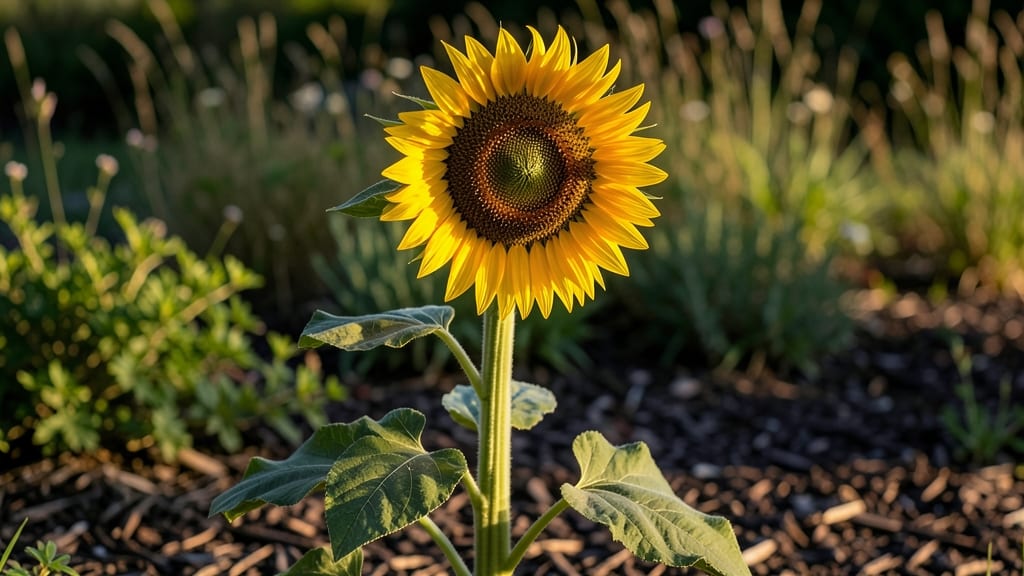
There’s nothing quite like watching a full-grown Mammoth Sunflower 🌻 stretch toward the sky—reaching heights that dwarf even the tallest gardeners. These giants can soar between 8 and 14 feet, turning your backyard into a sun-drenched skyline.
But achieving that dramatic height isn’t just luck; it’s about understanding their light, soil, and care needs.
If you’ve ever planted Mammoth Sunflowers and wondered why some thrive while others flop, you’re not alone. The key lies in their sunlight requirements, which are far more critical than most gardeners realize. Without the right conditions, even the hardiest varieties struggle to reach their full potential.
In this guide, I’ll break down exactly what these towering beauties need to grow strong and tall—from planting depth to staking secrets. Whether you’re a beginner or a seasoned gardener, these tips will help you cultivate Mammoth Sunflowers that steal the show.
Ready to grow sunflowers that feel like they belong in a botanical garden? Let’s get started with the essentials for maximizing their height and health.
How tall do Mammoth Sunflowers grow? Height expectations and varieties
When you picture a Mammoth Sunflower in your garden, think of a sun-drenched skyscraper reaching heights that can dwarf your fence or even a basketball hoop. These giants typically grow between 8 and 14 feet, but their exact height depends on the variety and growing conditions.
The 'Russian Giant' and 'Mammoth Russian' varieties are the most famous for their towering stature, often exceeding 12 feet when given ideal care.
Understanding these height expectations is crucial because it helps you plan your garden layout and support structures. For example, if you’re planting near a patio or walkway, you’ll need to account for their massive size to avoid shading smaller plants or creating safety hazards.
The key to unlocking their full potential lies in sunlight exposure, soil quality, and proper spacing—all factors I’ll cover in detail below.
Here’s the exciting part: with the right conditions, your Mammoth Sunflowers can become the centerpiece of your summer garden, attracting pollinators like bees and butterflies while adding a dramatic vertical element.
But how do you know when they’ve reached maturity? I’ll share how to measure their growth and recognize when they’re ready to bloom.
As you can see from the table, height varies significantly between Mammoth Sunflower varieties. The 'Russian Giant' and 'Mammoth Russian' are the tallest, often surpassing 12 feet when grown in optimal conditions.
Meanwhile, varieties like 'Autumn Beauty' and 'Moulin Rouge' offer shorter but equally stunning options for smaller gardens. Choosing the right variety depends on your space and aesthetic goals.
One common question I hear is, "How do I know when my Mammoth Sunflower is fully grown?" The answer lies in observing the stem thickness and flower bud development.
A mature plant will have a thick, woody stem that’s difficult to snap, and its flower buds will begin to turn brown at the base. This typically happens 90–120 days after planting, depending on your climate and growing conditions.
To maximize height, focus on full sun exposure—these sunflowers thrive with 6+ hours of direct sunlight daily. Without enough light, their stems will grow weak and leggy, failing to reach their full potential.
I recommend planting them in a south-facing location where they can soak up the sun from morning until evening. Pair this with well-draining soil rich in organic matter, and you’ll give your sunflowers the best chance to grow tall and strong.
Another critical factor is spacing. Mammoth Sunflowers need 18–24 inches between plants to prevent competition for nutrients and sunlight. Crowding can stunt their growth and lead to toppling stems, especially in windy conditions.
If you’re growing them near a fence or trellis, consider staking or tying them up as they grow to provide extra support and encourage vertical growth.
Finally, don’t overlook the role of watering and fertilization. While Mammoth Sunflowers are relatively drought-tolerant once established, they need deep watering every 3–5 days during their growing season.
A balanced fertilizer with 10-10-10 NPK ratio, applied every 4–6 weeks, will ensure they have the nutrients needed to reach their maximum height. With these tips, your Mammoth Sunflowers will grow taller than ever before!
Ready to watch your sunflowers grow into towering giants? Start by selecting the right variety for your space and giving them the care they deserve. The results will be a stunning vertical display that brings joy to your garden all summer long. 🌻
Proven care tips to maximize Mammoth Sunflower growth and blooms
To grow a full-grown Mammoth Sunflower that reaches its impressive 10–14 feet height, start with the right soil preparation. These giants thrive in loamy, nutrient-rich soil with a pH between 6.0 and 7.0.
Amend your garden bed with compost or aged manure before planting to ensure a strong foundation for their deep roots. Avoid heavy clay or sandy soil, as these can stunt growth or cause toppling.
Plant your Mammoth Sunflower seeds 1 inch deep and 6 inches apart after the last frost date in your region. For optimal height, choose a south-facing location with at least 6–8 hours of direct sunlight daily.
If your garden lacks full sun, consider using reflective surfaces like white walls or mulch to maximize light exposure.
⚠️ WARNING: Overlooking soil drainage can kill your Mammoth Sunflower before it blooms. These towering plants hate soggy roots, which lead to root rot and weak stems. Test your soil’s drainage by digging a hole, filling it with water, and checking if it drains within 1–2 hours.
If not, raise your planting bed or mix in perlite or coarse sand to improve airflow.
Watering is another critical factor for maximizing height. Unlike smaller sunflowers, Mammoth varieties need deep, infrequent watering—about 1–2 gallons per plant every 3–5 days during their growing season.
Water at the base of the plant in the morning to reduce fungal risks and encourage strong root development. Avoid overhead watering, which can damage delicate petals and attract pests.
As your Mammoth Sunflower grows, staking becomes essential to prevent toppling, especially in windy conditions. Install 3–4 foot bamboo stakes or metal cages near the plant at planting time, gently tying the stem to the stake with soft plant ties as it grows.
This support helps the plant channel energy into stem strength and bloom production rather than stabilizing itself.
Pests like aphids and bird damage can derail your sunflower’s growth. Protect young plants with row covers until they’re established, and monitor for aphid clusters on new leaves.
Spray affected areas with neem oil or insecticidal soap for organic control. For birds pecking at buds, use bird netting once the flower head begins to form.
Finally, fertilize your Mammoth Sunflower with a balanced 10-10-10 fertilizer every 4–6 weeks during the growing season. Stop fertilizing in late summer to allow the plant to prepare for winter.
With these care tips, your full-grown Mammoth Sunflower will stand tall, proud, and ready to attract pollinators all season long. 🌻