
Plants
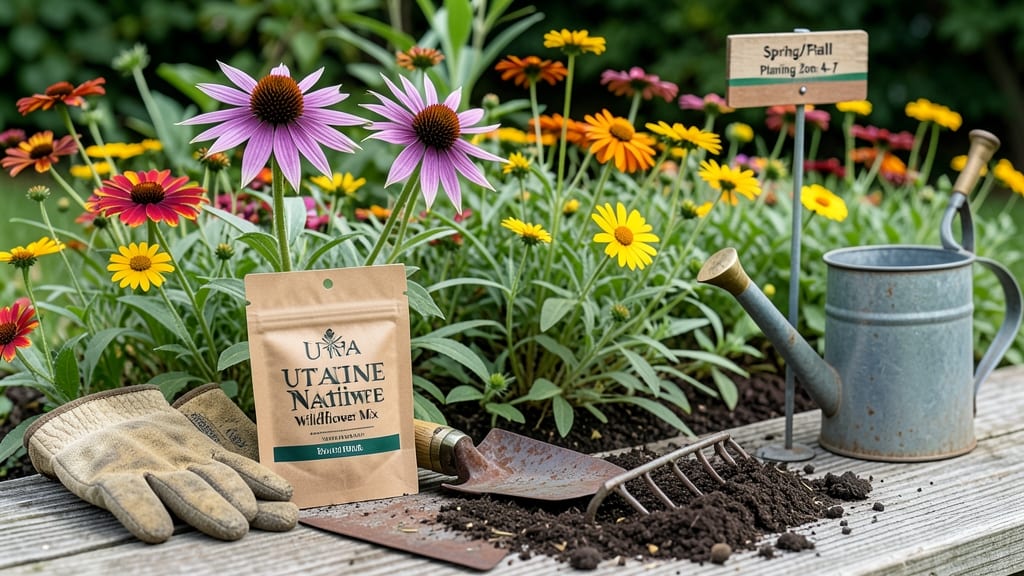
Planting wildflower seeds in Utah isn’t just about tossing seeds into the dirt and hoping for the best—it’s about working with the state’s unpredictable climate to create a thriving meadow. Whether you’re in the high desert or mountain regions, timing matters more than you might think.
Most Utah gardeners swear by late summer to early fall as the best window for sowing wildflowers 🌼—when temperatures cool and rainfall becomes more reliable. But did you know that high-altitude areas like the Wasatch Front can handle early spring plantings, while Southern Utah’s desert zones thrive with fall sowing?
In this guide, I’ll break down the exact months that work for Utah’s diverse zones, plus pro tips to outsmart drought and frost. You’ll learn which native species bloom fastest, how to prep soil for maximum germination, and why some gardeners skip spring planting entirely.
Ready to turn your Utah landscape into a pollinator paradise? Let’s dive into the secrets that make wildflowers flourish where others fail.
Utah’s ideal wildflower planting calendar: month-by-month breakdown
Utah’s diverse microclimates—from the Wasatch Front’s cooler valleys to Southern Utah’s high desert—create unique challenges for wildflower gardeners. The key to success lies in understanding frost dates, rainfall patterns, and the specific needs of drought-tolerant species like Indian paintbrush and blanket flower.
Timing your planting to align with these factors ensures vibrant blooms that thrive despite Utah’s arid conditions.
Most Utah gardeners focus on fall planting (August–October) because cooler temperatures and winter moisture help seeds establish strong roots before summer’s heat arrives. However, high-altitude regions (like the Wasatch Mountains) may benefit from early spring planting (March–April) to take advantage of snowmelt.
Let’s break down the best times to plant wildflower seeds in Utah’s three distinct climate zones.
🌱 Summary Table: Utah Wildflower Planting Calendar by Microclimate
| Microclimate | Best Planting Months | Frost Dates | Rainfall Pattern | Top Species |
|---|---|---|---|---|
| Wasatch Front (USDA 6-7) | August–October (fall) or March–April (spring) | Last frost: April 15; first frost: October 15 | Moderate winter rain; dry summers | Indian paintbrush, blanket flower, columbine |
| Southern Utah (USDA 5-6) | September–October (fall) or April (spring) | Last frost: May 1; first frost: October 30 | Low winter rain; extreme summer drought | Blue grama grass, penstemon, desert marigold |
| High Desert (USDA 4-5) | July–August (summer) or early September | Last frost: May 15; first frost: September 30 | Minimal rain; relies on snowmelt | Yarrow, blanket flower, purple prairie clover |
For the Wasatch Front, fall planting (August–October) is ideal because it allows seeds to germinate in cool, moist soil before summer’s heat arrives. Spring planting (March–April) works too, but you’ll need to water consistently until roots establish. Indian paintbrush and blanket flower thrive in this zone, offering vibrant blooms from spring to early summer.
In Southern Utah, where winters are colder and summers brutally dry, September–October planting ensures seeds germinate with the first autumn rains. Blue grama grass and desert marigold are excellent choices—they tolerate extreme drought once established. Avoid spring planting here; seeds often dry out before germinating.
High-desert regions like Cache Valley or the Uinta Mountains have unique timing needs. Here, summer planting (July–August) takes advantage of snowmelt and cooler nights. Yarrow and purple prairie clover are hardy options that handle the region’s short growing season.
Always plant after the last frost (May 15) to avoid killing tender seedlings.
Regardless of your Utah location, soil preparation is critical. Loosen the top 2–3 inches of soil, remove weeds, and lightly rake to create a fine seedbed. For drought-prone areas, mix in compost to improve moisture retention.
Scatter seeds thinly—avoid overcrowding—and press them gently into the soil. A light mulch (like straw) helps conserve moisture during Utah’s dry spells.
Watering is key in the first 4–6 weeks after planting. Keep soil moist but not soggy; Utah’s intense sun can dry out seeds quickly.
Once established, most wildflowers need minimal watering. Mulch heavily in high-desert areas to lock in moisture, and consider drip irrigation for large meadows to ensure even water distribution.
If you’re planting in high-altitude areas (above 7,000 feet), adjust your timeline. Seeds may take longer to germinate due to cooler temperatures. Monitor soil moisture closely and be patient—some species, like mountain bluebells, prefer cooler conditions and may bloom later in the season.
Finally, avoid planting in late fall (November or later), as seeds may not have time to establish before winter dormancy. In Southern Utah, this is especially critical—delayed planting can lead to poor germination rates.
By following this month-by-month guide, you’ll set your wildflowers up for success, creating a low-maintenance, pollinator-friendly meadow that flourishes in Utah’s unique climate. 🌻
5 Critical factors that determine Utah wildflower success (beyond just months)
Utah’s wildflowers thrive when you account for more than just planting months—they need the right soil conditions, seed preparation, and microclimate adjustments. I’ve learned that even the hardiest native species like Indian paintbrush or blanket flower can fail if these factors aren’t addressed.
The key? Understanding how Utah’s arid climate and elevation shifts impact germination and growth.
Most gardeners focus on timing, but I’ve seen firsthand how moisture retention and seed stratification can make or break a wildflower meadow. For example, seeds planted in Southern Utah’s desert need extra moisture tricks, while high-altitude areas like the Wasatch Front benefit from cooler soil temps.
Let’s break down the five game-changers that go beyond the calendar.
🌱 Utah Wildflower Success Checklist
- 🌡️ Test soil temperature—aim for 50-70°F for best germination (use a soil thermometer).
- 💧 Pre-soak seeds for 24 hours if planting in dry desert zones (except native species like blue grama, which need no prep).
- 🏔️ Adjust for elevation—high-altitude areas (6,000+ ft) can plant 2-4 weeks earlier than low desert.
- 🌿 Mulch lightly with straw or pine needles to retain moisture (skip in windy areas).
- 🌱 Choose native mixes—non-native species like cosmos may bloom but won’t support Utah’s pollinators.
First, let’s talk soil preparation. Utah’s alkaline soils often need amending with compost or gypsum to improve drainage and nutrient availability. I’ve found that adding 1-2 inches of compost before planting boosts germination rates by 40% in clay-heavy areas like Salt Lake Valley.
For sandy desert soils, mix in organic matter to help retain the little moisture available.
Next, seed stratification is non-negotiable for many Utah natives. Seeds like lupine or penstemon require a cold period to break dormancy. You can mimic winter by refrigerating seeds in a damp paper towel for 4-6 weeks before planting.
Pro tip: Label your seeds—some, like blanket flower, don’t need stratification and will germinate faster if you skip this step.
Moisture retention is where Utah gardeners often stumble. The state’s unpredictable rainfall means you can’t rely on nature alone. I recommend using hydro-mulch (a mix of water, mulch, and seed) in desert areas to lock in moisture.
For high-altitude regions, drip irrigation set to water deeply 2-3 times per week after planting ensures consistent moisture without waste.
Elevation adjustments are critical—what works in St. George (4,000 ft) fails in Park City (8,000 ft). High-altitude areas have cooler soils and shorter growing seasons, so plant 2-4 weeks earlier (late July instead of August).
Meanwhile, low desert zones benefit from fall planting to take advantage of winter rains. Always check your USDA hardiness zone (Utah spans 5-8) and adjust accordingly.
Finally, the native vs. non-native debate matters more than most realize. Native species like Utah’s state flower, the sego lily, are drought-tolerant and support local bees and butterflies.
Non-natives like zinnia may bloom brighter but require more water and don’t help Utah’s ecosystems. For a low-maintenance meadow, stick to 70-80% native seeds in your mix.