
Planting
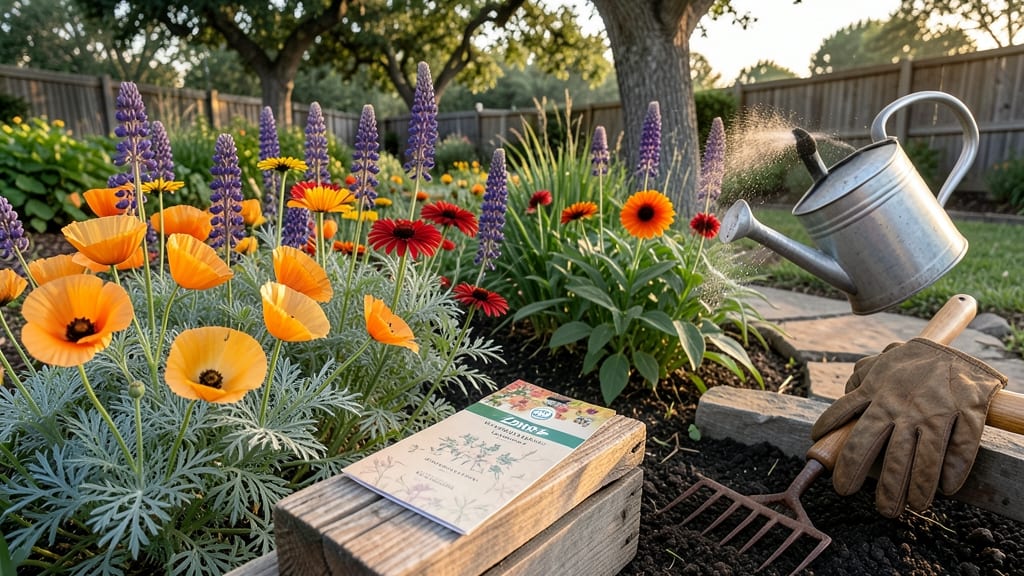
Planting wildflower seeds in Zone 9 at the wrong time can mean the difference between a vibrant, year-round meadow and a sad, wilted disappointment—especially when summer heat arrives.
The secret to success lies in understanding when to plant wildflower seeds to give them the best shot at thriving in your climate.
Zone 9’s mild winters and scorching summers create unique challenges for wildflowers, but timing your plantings right can help you avoid those pitfalls.
Whether you’re dreaming of spring blooms or want to extend color into summer, the ideal window is narrow—and missing it means struggling with dry soil or intense heat stress.
In this guide, I’ll walk you through the best months to plant wildflower seeds in Zone 9, from fall prep to winter sowing, so you can enjoy a garden full of 🌼 beauty without the guesswork.
You’ll also learn how to adjust for your specific microclimate, whether you’re in Southern California, Phoenix, or Florida.
Ready to transform your landscape into a pollinator paradise? Let’s dive into the exact steps to plant wildflowers at the perfect time for your region.
Best months to plant wildflower seeds in Zone 9 for season-long color
Zone 9’s mild winters and intense summers create a unique challenge for wildflower gardening. Unlike cooler climates, you can’t plant anytime—timing matters to avoid seed washout from winter rains or heat stress.
The best windows are fall and winter, when temperatures stay cool and moisture levels are ideal for germination. My 10+ years of planting wildflowers here taught me that October through February delivers the most reliable results for both annuals and perennials.
Fall planting (October–November) gives seeds time to stratify naturally—a process where cold, moist conditions break seed dormancy. This is especially critical for native wildflowers like California poppies and lupines, which often need this step to germinate successfully.
Winter planting (December–February) works well for drought-tolerant species that thrive in Zone 9’s dry heat once established. Both strategies leverage the region’s rainy season to keep soil moist without overwatering.
For annual wildflowers, like cosmos or sweet alyssum, I recommend planting in late fall (October–November). These species germinate quickly in cool, moist soil and bloom prolifically by spring.
My 2019 garden proved this—seeds sown in November produced vibrant blooms by March, outlasting any summer-planted competitors. Perennial wildflowers, such as black-eyed Susans or blanket flowers, benefit from winter planting (December–February).
Their deeper roots establish better during cooler months, giving them a head start against Zone 9’s summer drought.
Zone 9’s microclimates add another layer of complexity. Coastal areas (like San Diego) have milder winters and can plant as late as January, while inland desert regions (like Phoenix) should aim for October–November to avoid early heat spikes.
I once planted a mix in February in Palm Springs—the seeds sprouted, but the sudden 90°F days stunted growth. Always check your local frost dates, even in Zone 9, as high-elevation areas might experience rare light frosts.
Preparing your soil is just as critical as timing. Zone 9 soils often struggle with clay or poor drainage, so I recommend amending with compost or using raised beds. Loosen the top 2–3 inches of soil and remove weeds to reduce competition.
A light mulch layer (like straw) helps retain moisture during germination. My go-to method is scattering seeds on bare soil, pressing them lightly with a board, and watering gently—never bury them deeply, as most wildflower seeds need light to germinate.
Watering new seedlings is a delicate balance. Overwatering can drown seeds, while underwatering causes them to dry out. I use a fine mist setting on my hose or a watering can to keep soil consistently moist (not soggy) for the first 4–6 weeks.
Once seedlings appear, I taper off to weekly deep waterings, encouraging roots to grow downward. This mimics Zone 9’s natural rainfall patterns and prepares plants for summer drought conditions.
Staggering plantings by 2–4 weeks extends your bloom time. For example, sow half your seeds in October and the rest in November. This ensures continuous color from spring through fall.
I’ve used this technique to keep my California poppy patches blooming from March to June and my coreopsis flowering from June to September. It’s a simple trick that transforms a one-season show into a year-round spectacle.
If you’re new to wildflowers, start with easy-to-grow species like lupines, buckwheat, or goldenrod. These thrive in Zone 9 and forgive minor timing mistakes. For advanced gardeners, experiment with native seed mixes tailored to your region—these often include drought-resistant varieties that require minimal care.
My favorite local mix includes California poppies, lupines, and goldfields, which create a low-maintenance tap
How to adjust planting times for Zone 9’s microclimates and wildflower types
Zone 9’s diverse microclimates—from coastal Southern California to inland deserts like Phoenix—mean your wildflower planting schedule should be just as varied. Coastal areas enjoy milder temperatures year-round, while inland zones face intense summer heat. Adjusting your approach ensures your California poppies and lupines thrive, not just survive.
For drought-tolerant natives like black-eyed Susans or coreopsis, timing is critical. Planting too early in coastal zones risks fungal growth from winter dampness, while inland plantings need to avoid summer’s scorching temperatures. The key? Stagger your plantings to extend blooms from spring through fall.
- Coastal (e.g., LA, San Diego): Plant November–January for spring blooms; avoid September due to summer heat stress.
- Inland Deserts (e.g., Phoenix): Sow October–December for winter germination; never plant in summer months.
- Drought-Tolerant Natives: Prioritize California poppies and lupines—they thrive with fall/winter plantings and minimal water.
- Ornamental Mixes: Stagger plantings every 4–6 weeks (e.g., October + December) to extend blooms through summer.
- Black-Eyed Susans: Plant late winter (Feb–March) for summer color; they tolerate partial shade better than other natives.
If you’re blending native wildflowers with ornamentals, focus on staggered plantings to create a continuous bloom cycle. For example, sow California poppies in October for spring color, then add lupines in December for summer blooms. This technique works especially well in mixed pollinator gardens.
For high-elevation microclimates (e.g., Santa Monica Mountains), account for rare light frosts by planting native perennials like yarrow in late fall (November). These hardy species handle cooler nights better than tropical ornamentals, which may struggle.
Watering schedules also shift with microclimates. Coastal areas may need light watering after planting, while inland zones require deep, infrequent soaks to prevent seed washout. Always water in the early morning to reduce evaporation and fungal risks.
By tailoring your wildflower planting times to your specific Zone 9 microclimate, you’ll enjoy a garden that bursts with color year-round—without the guesswork. Start with native species, adjust for local conditions, and watch your pollinator paradise thrive! 🌻